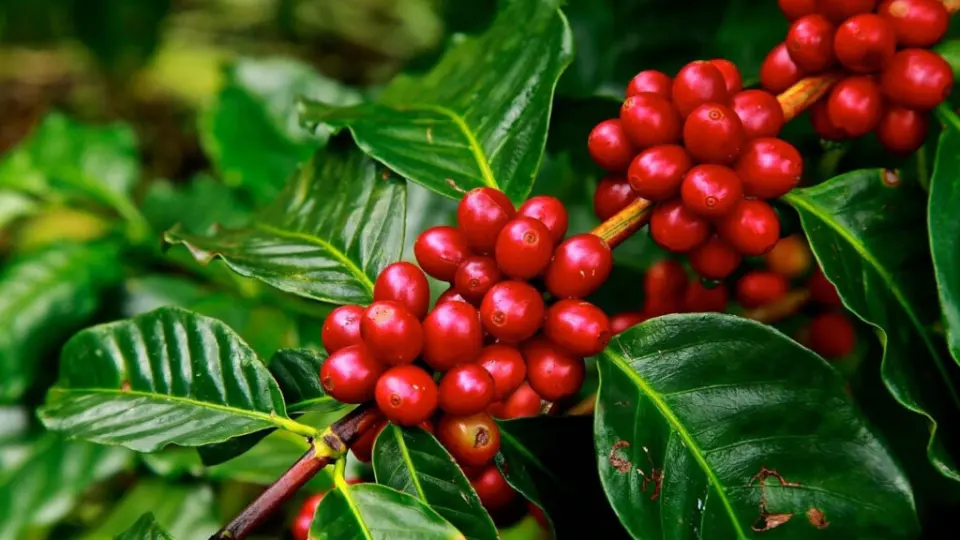
The word bean is convenient, but the part used for coffee is a seed that grows inside the fruit of a coffee plant. That fruit is commonly called a coffee cherry. Before the seed can become the brown, aromatic material in a retail bag, the crop must be harvested, processed and dried, then later roasted and ground for brewing.
Coffee plants are grown under conditions suited to the crop, and the major commercial types have different characteristics. The label on a finished product may identify a species, a variety, a location or a processing approach. These describe different parts of production rather than competing names for the same fact. The familiar cup is the combined outcome of agriculture, handling, roasting and preparation.
This basic distinction is useful when comparing products. A natural-process coffee is not simply an untouched roasted bean; the term refers to how fruit and seed were handled after harvest. An espresso coffee is not a special seed created for a machine; espresso is a brewing method. Following the seed from cherry to cup gives everyday label terms a clearer meaning and makes more detailed coffee information easier to evaluate.
The conversation
A good question can make a better brew.