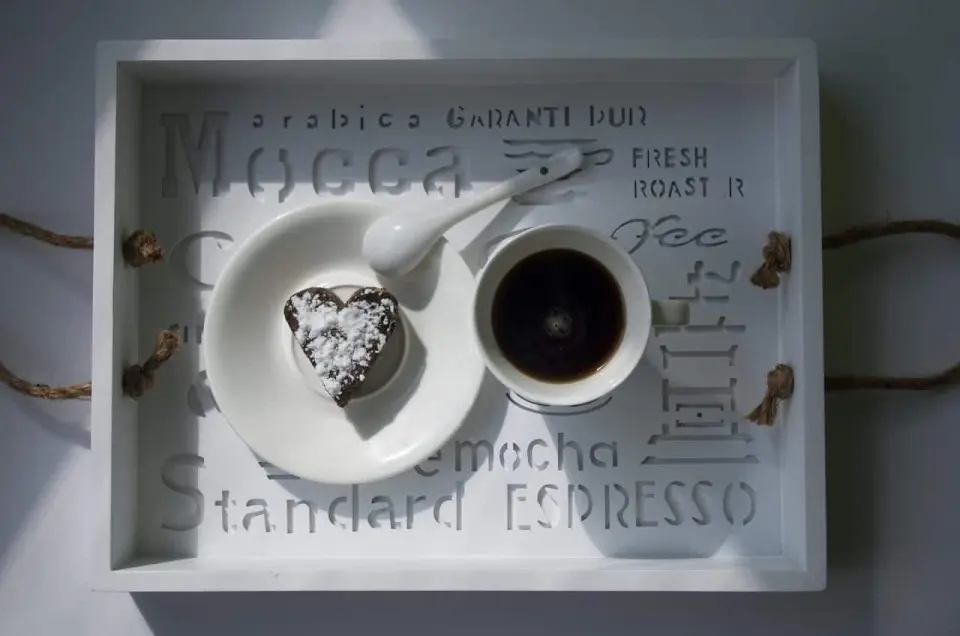
Espresso uses pressure to move hot water through a compact bed of finely ground coffee. CoffeeBox introduces it as the base for drinks including cappuccino, latte, Americano and macchiato. A common starting recipe uses roughly twice the dry coffee weight as beverage yield, but the dose and output vary. Espresso is therefore better documented through a recipe than defined as exactly 30 millilitres.
Crema is the foam that forms on the surface during pressure brewing. Coffee freshness, roast, composition and preparation influence its appearance. It can provide context, but thickness and colour alone do not establish whether a shot tastes balanced. A rich-looking surface is not a substitute for evaluating aroma, acidity, sweetness, bitterness, texture and finish in the beverage itself.
Record dose, yield, grind setting and extraction time when comparing shots. Shorter and longer dose-to-yield preparations are often described as ristretto and lungo, but their exact definitions and sensory results differ between cafés and recipes. Do not assume a shorter shot is always sweeter or a longer one has a predictable caffeine content. Different roasts can work as espresso when the recipe is suited to the coffee and the drinker's preference.
The conversation
A good question can make a better brew.