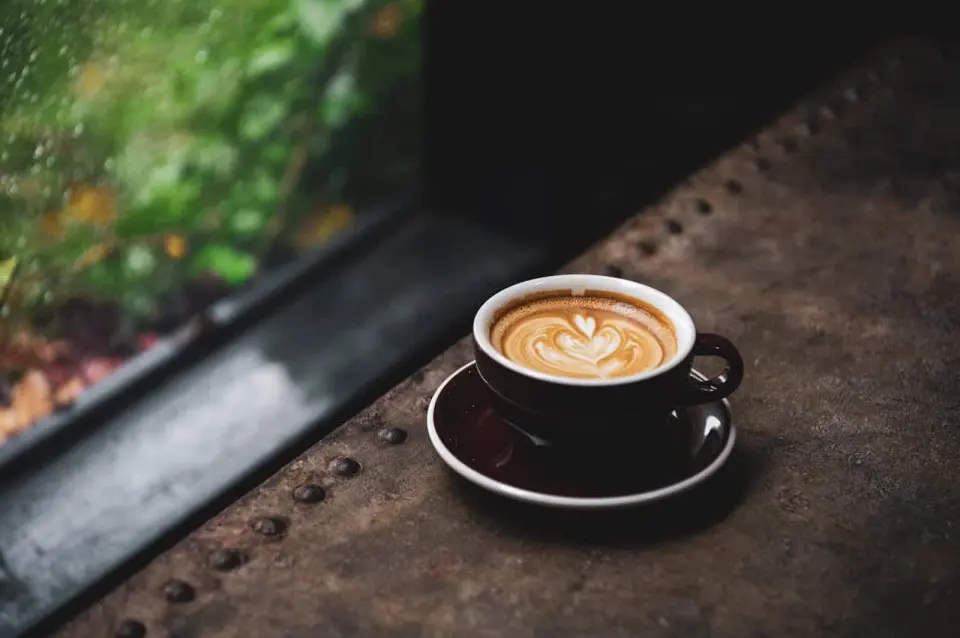
A latte's perceived sweetness depends on more than the espresso recipe. Milk temperature, texture and the balance between coffee and milk all affect the finished drink. Asking for maximum heat can move the result away from the soft texture and comfortable drinking temperature the barista intended.
Use a thermometer while learning to steam, and follow the equipment and milk supplier's guidance rather than judging solely by the jug's exterior. The source discusses a moderate steaming range; its useful practical message is to compare temperatures deliberately. Heating ordinary milk to latte temperature should not be described as caramelising its sugar or automatically turning lactose into sweeter sugars.
Keep the coffee dose and milk quantity consistent during the comparison. Note whether the cup tastes integrated, whether the foam remains fine and whether the drink is pleasant to sip as it cools. Different dairy and plant-based products behave differently, so an adjustment that works for one carton should not be assumed to suit every milk alternative.
The conversation
A good question can make a better brew.