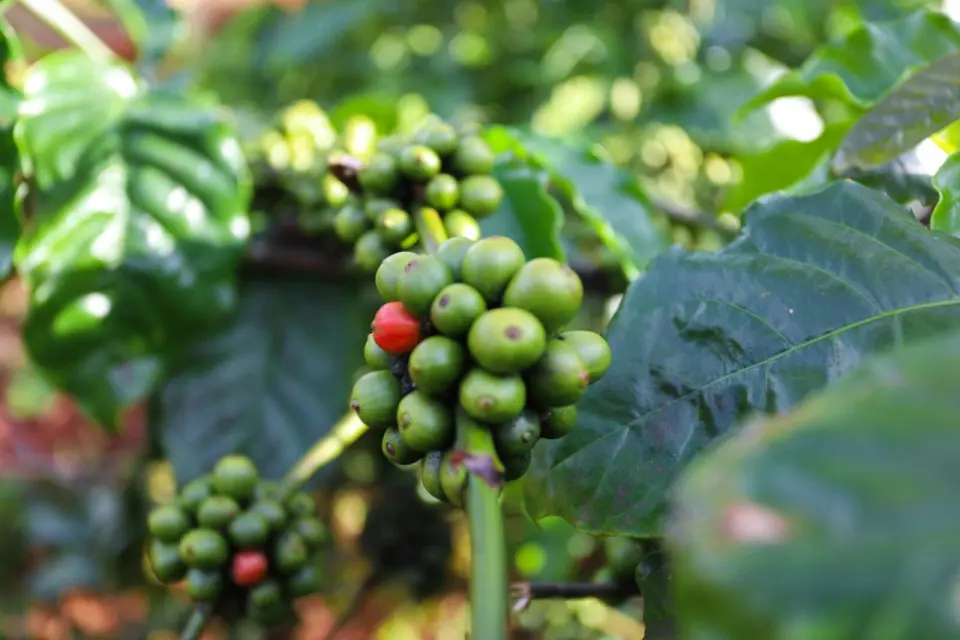
CoffeeBox compares an anaerobic natural with a white-honey coffee associated with the same Guji production context. The discussion centres on Uraga and the way different post-harvest choices can change an aromatic coffee's presentation. A shared station or variety is useful context, but it does not mean two retail lots are a controlled scientific experiment.
Natural processing dries the coffee within the fruit; honey processing generally removes skin while retaining some mucilage for drying. An anaerobic stage adds another variable. White-honey terminology is not completely standardised between producers, so the actual processing explanation matters more than assuming the colour describes a universal mucilage percentage.
For a comparison at home, use similar brew strength and record aroma, sweetness, acidity and body separately. Follow the actual roast's guidance, changing one variable at a time if fruit intensity overwhelms balance. A G1 designation is also separate from a tasting score. Keep the grading, processing and sensory information distinct so the label becomes easier to interpret.
The conversation
A good question can make a better brew.