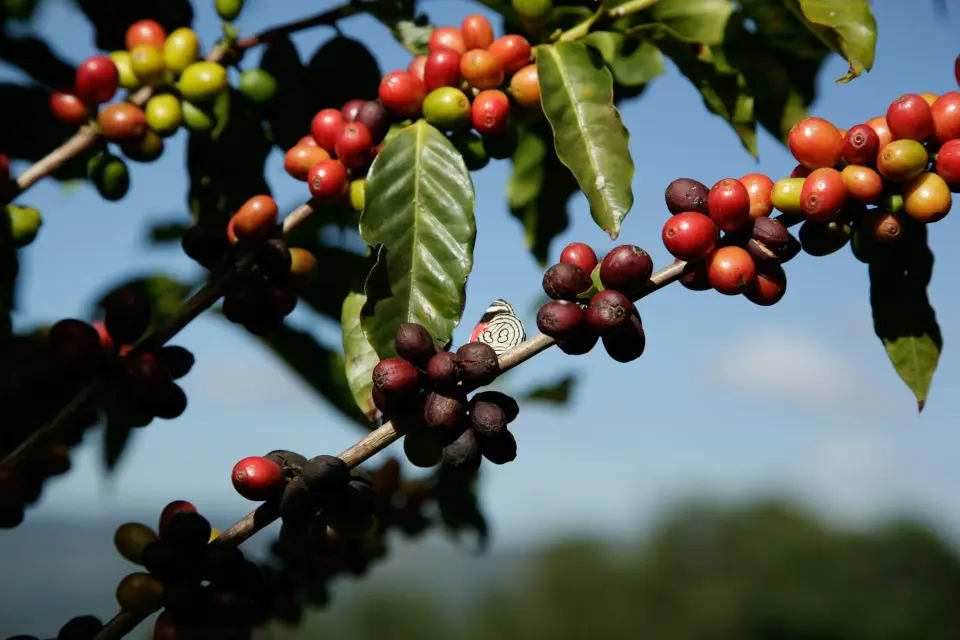
Castillo is widely associated with disease resistance and Colombian coffee production. CoffeeBox's article asks why those agricultural strengths are sometimes treated as evidence of an uninteresting cup. Farm management, fruit selection, processing and roasting remain important; knowing that a variety was bred for resilience does not establish the sensory quality of a particular lot.
The source uses a washed example from Sotará in Cauca. Its description moves from red apple and citrus peel towards plum sweetness, finishing with caramel and nut-like impressions. Body is described as medium-light. These are reported observations of that coffee rather than a universal Castillo flavour profile or an independent BeanScene taste test.
Read the producer and processing details, then compare the coffee using a familiar recipe. A lot can be clean and approachable without being sold as a rare auction coffee. Adjust grind and water according to the brewed result, and avoid treating an exact resting schedule or one temperature as compulsory for every bag carrying the same variety name.
The conversation
A good question can make a better brew.