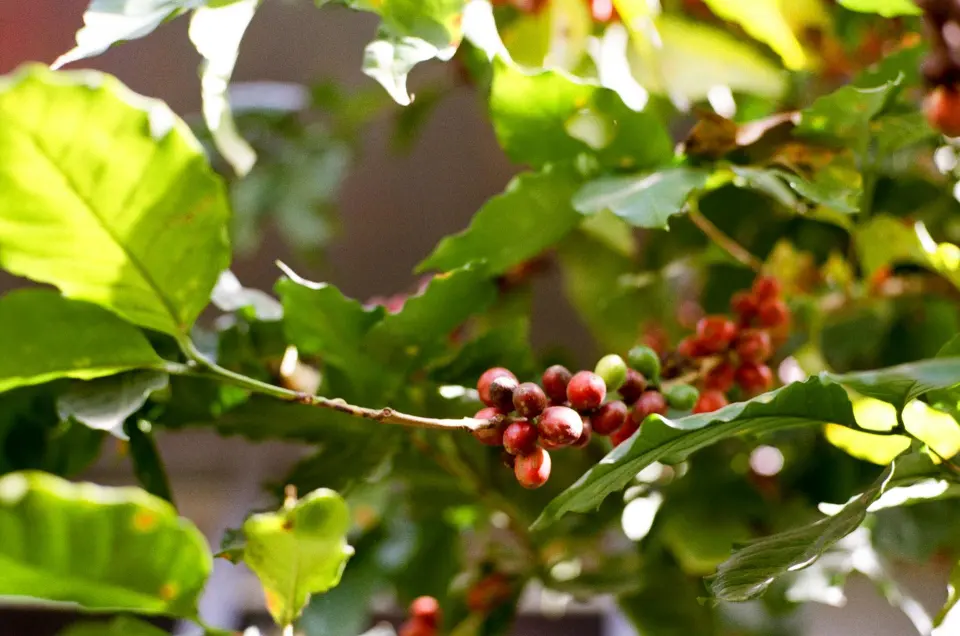
CoffeeBox discusses a Colombian Nariño micro-lot combining honey processing with a blackberry fermentation stage. In its account, blackberry juice is fermented for 72 hours before the partially dried coffee is brought into contact with that material. This is the source's description of a particular protocol, not a standard definition of all co-fermented coffees.
The added blackberry component is a meaningful part of the product information. Tasting alone cannot reliably distinguish co-fermentation from other flavouring routes, so disclosure matters more than claiming that one kind of aroma or aftertaste proves how the coffee was made. Ask what was added, when it was added and how the lot was subsequently dried.
For brewing, begin with the actual roast's recipe and a measured ratio. Assess whether berry aroma remains balanced by coffee sweetness, acidity and texture. If intensity dominates, compare one change at a time rather than assuming a lower temperature always fixes the cup. The processing story provides context; it does not establish an independently verified sensory or chemical result.
The conversation
A good question can make a better brew.