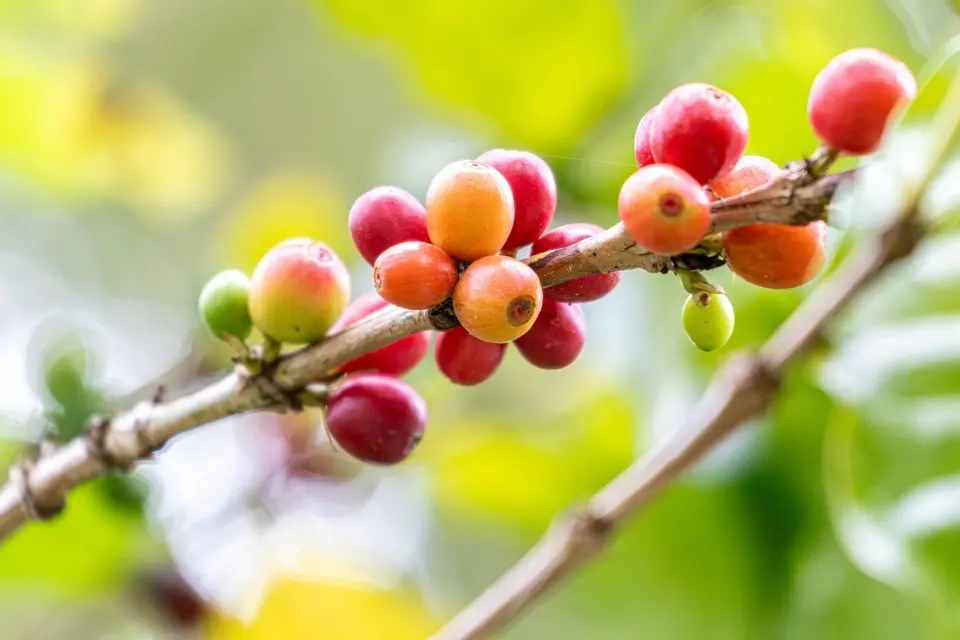
Natural coffee dries within the fruit, so cherry selection, fermentation management and drying deserve particular attention. CoffeeBox's guide uses an Ethiopian Banko Gotiti cooperative example to discuss why some lots show clear fruit sweetness while others have distracting earthy, stale or overripe impressions. Natural processing itself is not a defect category.
Poor fruit selection, uneven drying and unsuitable storage can all affect a lot. A strong fermented aroma does not by itself identify which stage caused a problem, and taste alone cannot verify microbiological safety. The useful buyer questions concern the producer, processing facility, lot identity and available account of handling rather than a promise that one method always prevents faults.
At home, rule out avoidable brewing and storage problems before blaming the process label. Use clean equipment, a measured recipe and coffee stored according to its packaging guidance. Taste through cooling and describe the specific unwanted sensation. A natural coffee can be both fruity and clearly structured, while a washed label alone cannot guarantee that every bag will be free of defects.
The conversation
A good question can make a better brew.