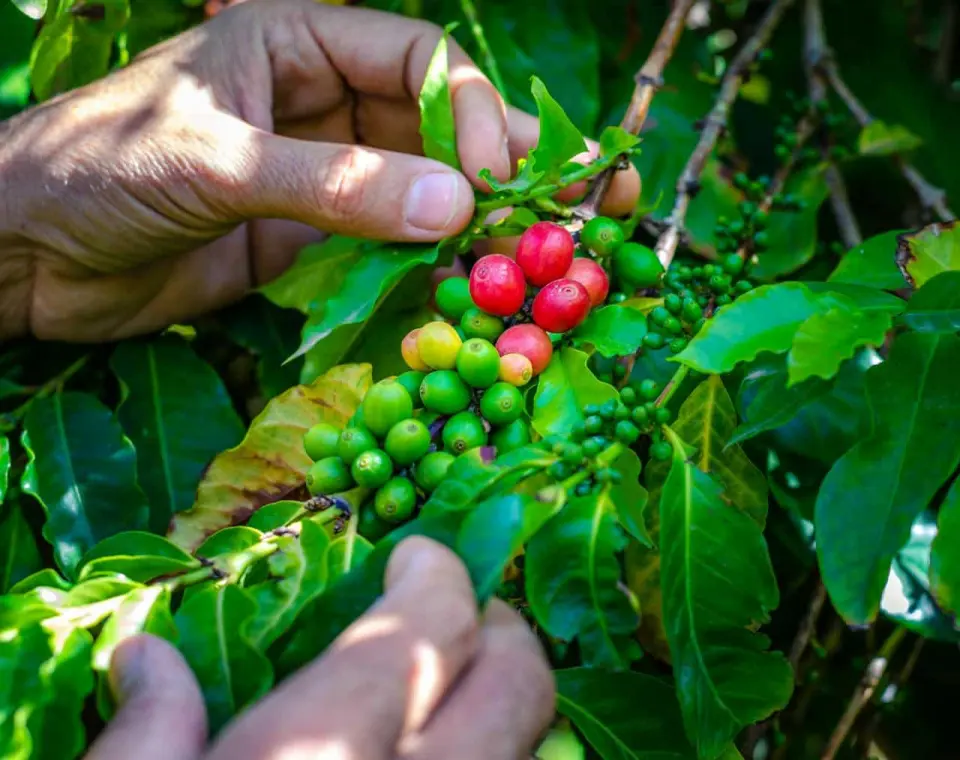
Wet hulling, often called giling basah, removes parchment while coffee is still relatively moist rather than waiting for the same drying stage used in conventional washed processing. The source connects this approach with humid conditions and the practical circumstances of small producers in parts of Indonesia.
Those circumstances are useful context, but the method is not a promise of one taste. Buyers often associate certain Indonesian lots with substantial body and earthy, herbal or spice-like descriptions. Look at the particular lot's processing and quality information instead of assuming that every coffee from the region should taste that way.
When brewing, begin with proportions you already understand and watch how strength and texture develop. Compare the coffee over several cups before attributing every characteristic to processing alone. Variety, drying, storage and roast remain part of the result. Clear process terminology helps explain the coffee's journey without replacing attention to the finished drink.
The conversation
A good question can make a better brew.