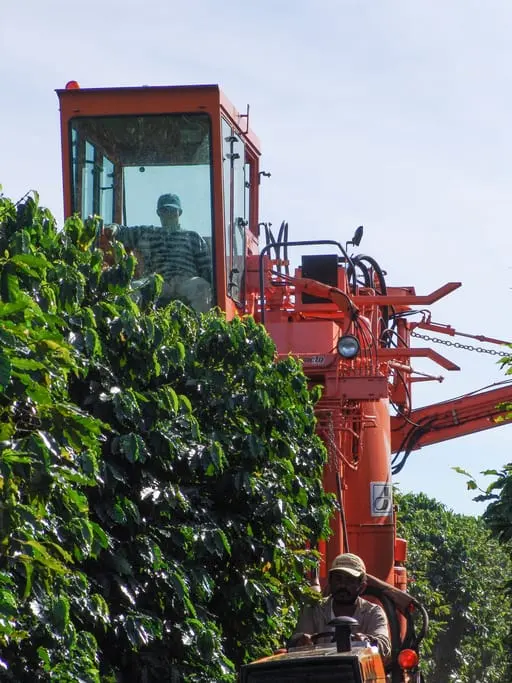
Coffee harvesting can involve selecting ripe cherries over repeated visits or removing a larger share of the crop in one pass. Terrain and planting layout affect which equipment and methods are practical. A hillside farm and an accessible, regularly planted field face different logistical questions.
Selective hand picking aims to gather suitable fruit while leaving other cherries to develop. Strip picking and mechanical harvesting can collect a broader mixture, making subsequent separation and sorting particularly important. The picking method alone therefore does not describe every quality-control step applied to the final lot.
When a coffee's story highlights hand picking, ask what happens after the cherries leave the tree. Ripeness checks, processing and drying remain part of the outcome. Equally, do not assume a machine-harvested coffee has never been sorted carefully. For consumers, harvest information adds context to a producer's work; the actual lot, roast and cup description are still needed to make a useful comparison.
The conversation
A good question can make a better brew.