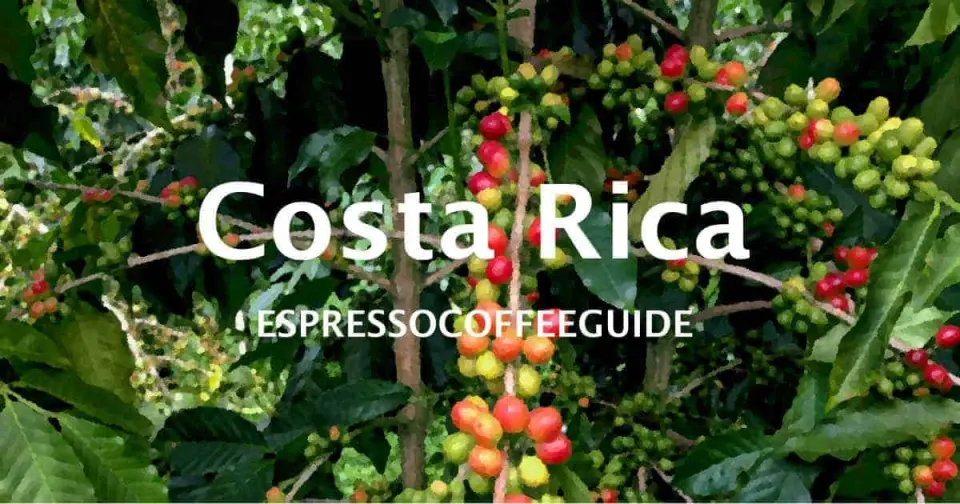
Costa Rican coffee is often described in terms of a clean cup, distinct brightness, substantial body and fruit or sugar-like sweetness. The country contains several growing regions, including Tarrazu, West Valley, Alajuela, Heredia, Cartago and Tres Rios. A national profile is a starting point; producers, processing methods and roasters create meaningful differences within it.
The source discusses varieties such as Caturra, Catuai, Bourbon, Villa Sarchi and Gesha, and altitude-based terms including Strictly High Grown or Strictly Hard Bean. These labels provide useful context, but neither an elevation grade nor a famous variety establishes the quality of a particular shipment. Ask for the actual farm or cooperative, variety when known, processing method and harvest information. Verify certification claims for the lot instead of assuming they apply to all Costa Rican coffee.
Buy with a clear roast description and compare a few distinct regions using the same brewing method. Record sweetness, texture and acidity, rather than relying only on a printed fruit note. If a listing discusses cascara, shade management or producer organizations, distinguish documented practices from general background. Also keep the country separate from similarly named companies: a café chain’s name alone does not establish that its beans were grown in Costa Rica.
The conversation
A good question can make a better brew.