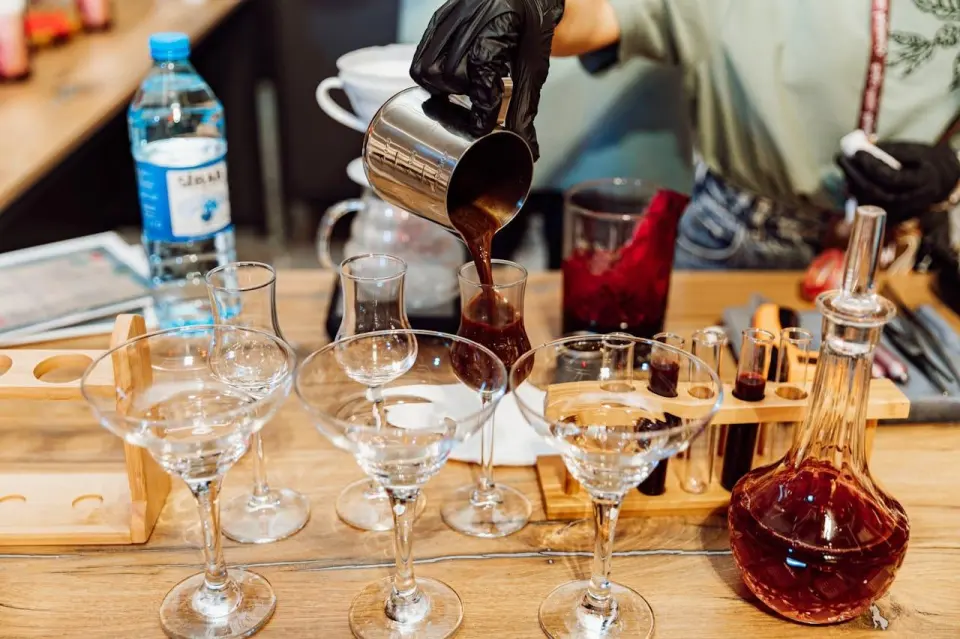
A practical tasting routine starts with a known coffee and a repeatable preparation. Smell the dry grounds and the brewed drink, then taste for broad flavour categories before seeking a precise comparison. Include sweetness, acidity, bitterness and texture rather than reducing the experience to a list of aromas. The flavour wheel moves between broader categories and more specific comparisons, allowing a taster to begin with fruit before deciding whether citrus or berries fit.
Return to the cup as it cools and notice the finish after each sip. A flavour wheel can organise the vocabulary, but it should not supply sensations that were not actually perceived. Write an initial note before reading the complete seller description to reduce the pull of expectation.
Save the origin, processing, roast and brewing recipe with the observations. Over several coffees, those records can reveal a genuine preference and guide the next purchase. The method is a tool for learning, not a requirement to agree with professional tasters or turn every enjoyable cup into an examination.
The conversation
A good question can make a better brew.