 Article
Brewing
Guji coffee: use the subregion and station to sharpen the picture
Shakisso and Uraga help explain why one regional name can cover many different coffees.
Coffee knowledge · Reviews · Coffee beans · Coffee shops
Article
Shakisso and Uraga help explain why one regional name can cover many different coffees.
 Article
Boquete, named estates and Geisha form part of a larger production story.
 Article
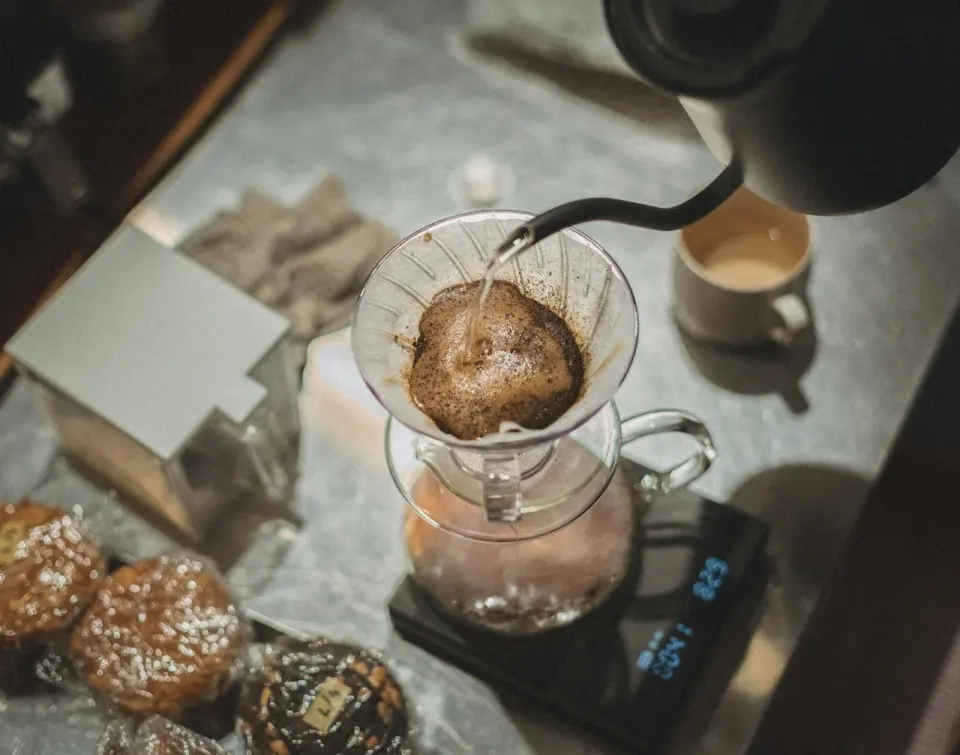
A sharp, thin cup calls for a controlled adjustment, not an automatic verdict on the beans.
 Article
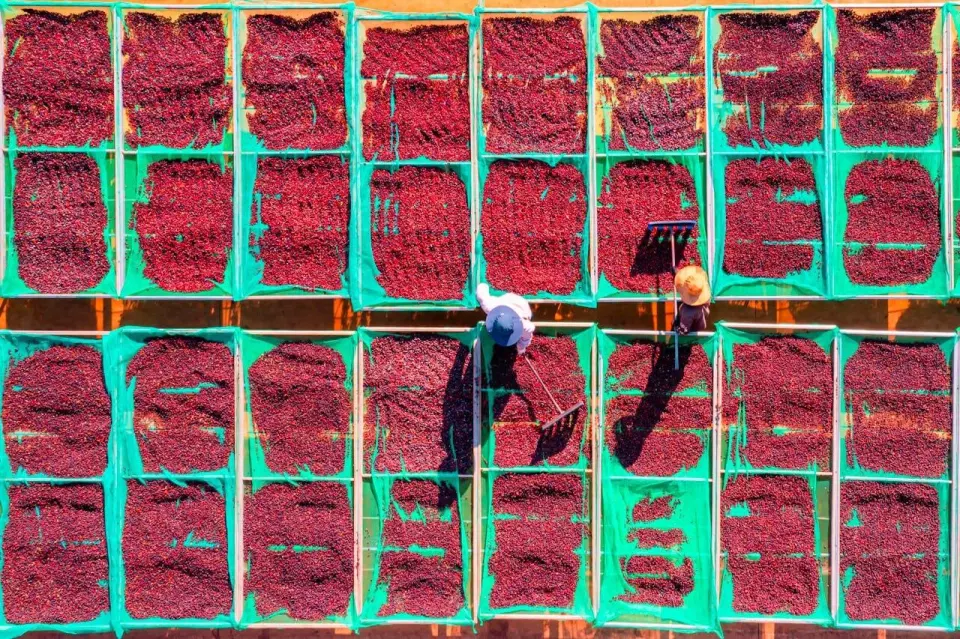
White, yellow, red and black need the producer's own explanation.
 Article
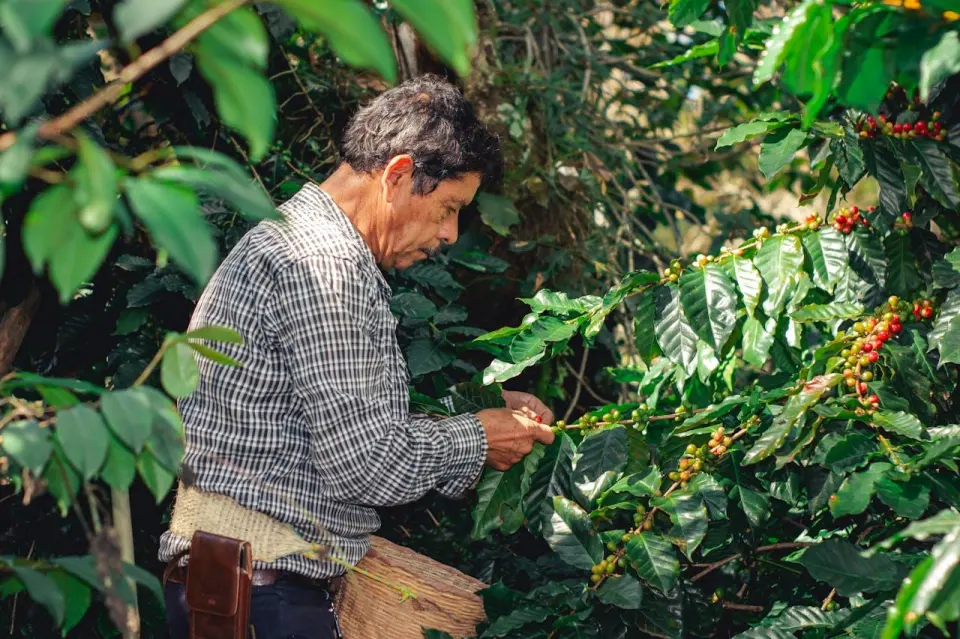
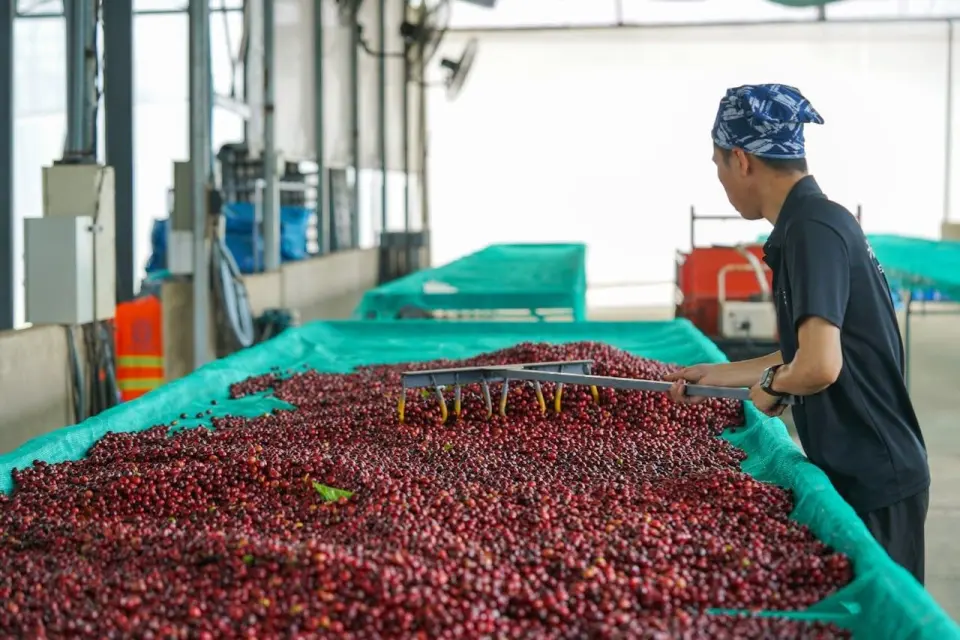
Micro-mill and lot information make the origin's craftsmanship easier to understand.
 Article
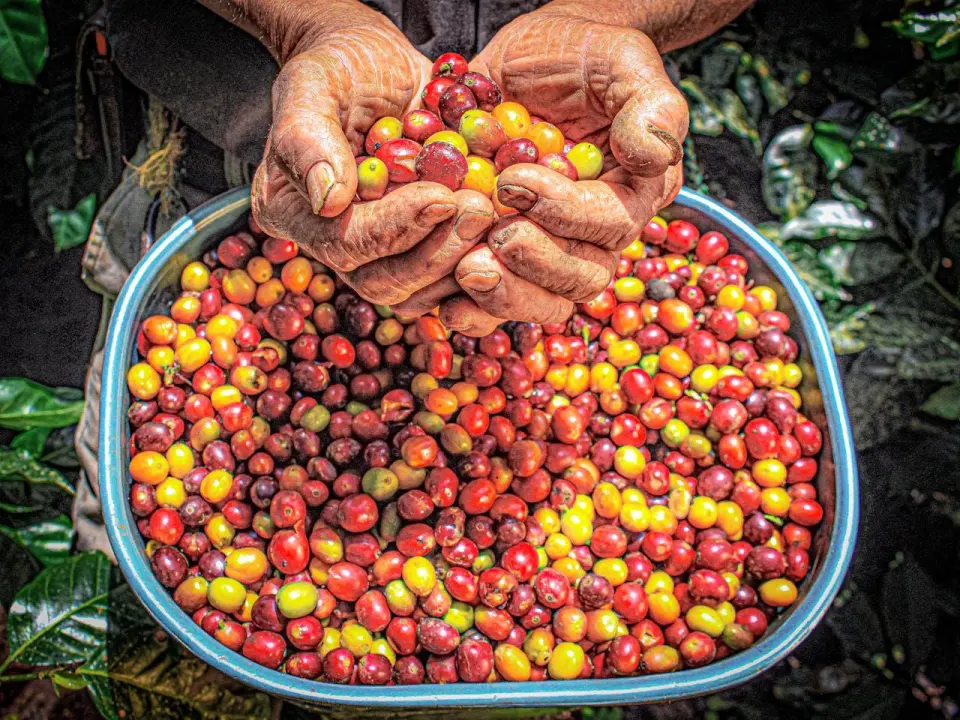
Floral and citrus references are useful possibilities, not a complete purchasing specification.
 Article
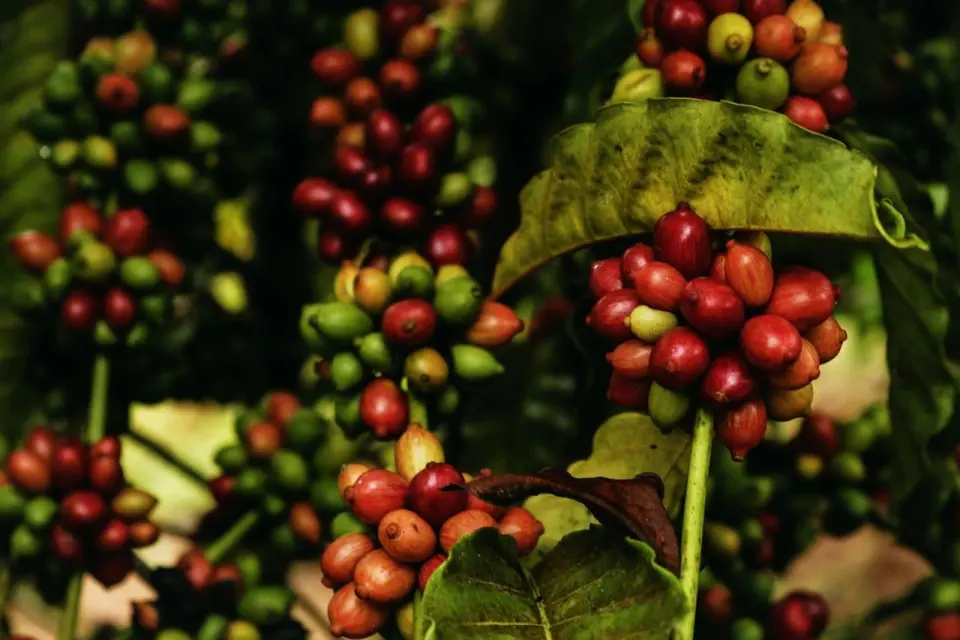
Region, producer and processing help turn a national name into a meaningful choice.
 Article
Variety, reputation and scarcity are different from a guarantee of personal enjoyment.
 Article
Several familiar terms describe overlapping parts of production rather than exclusive categories.
 Article
Format, intended drink and traceable information make the shelf easier to navigate.
 Article
Dose, water, grind, temperature and the coffee's condition should be recorded together.
 Article
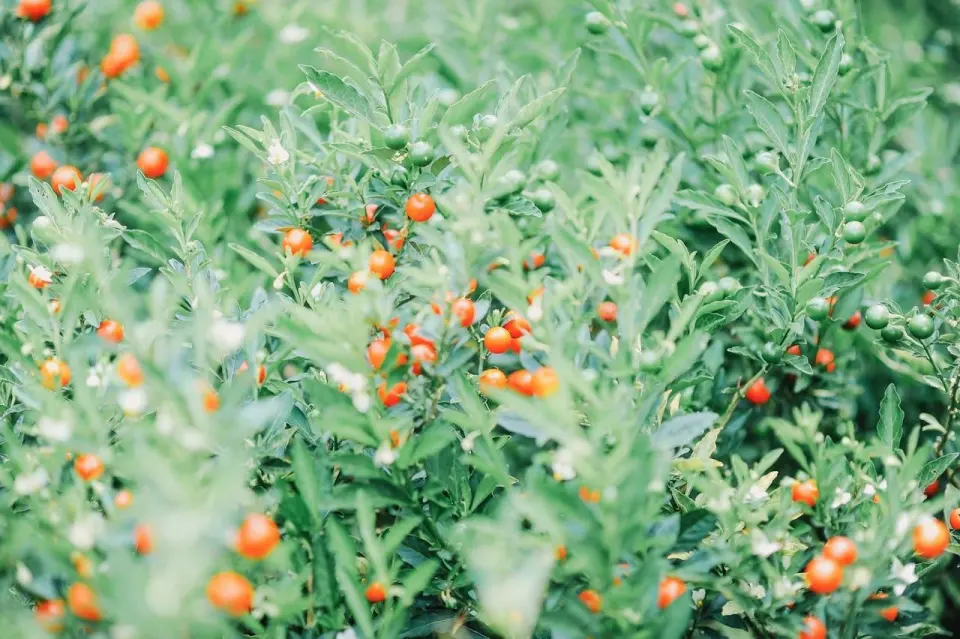
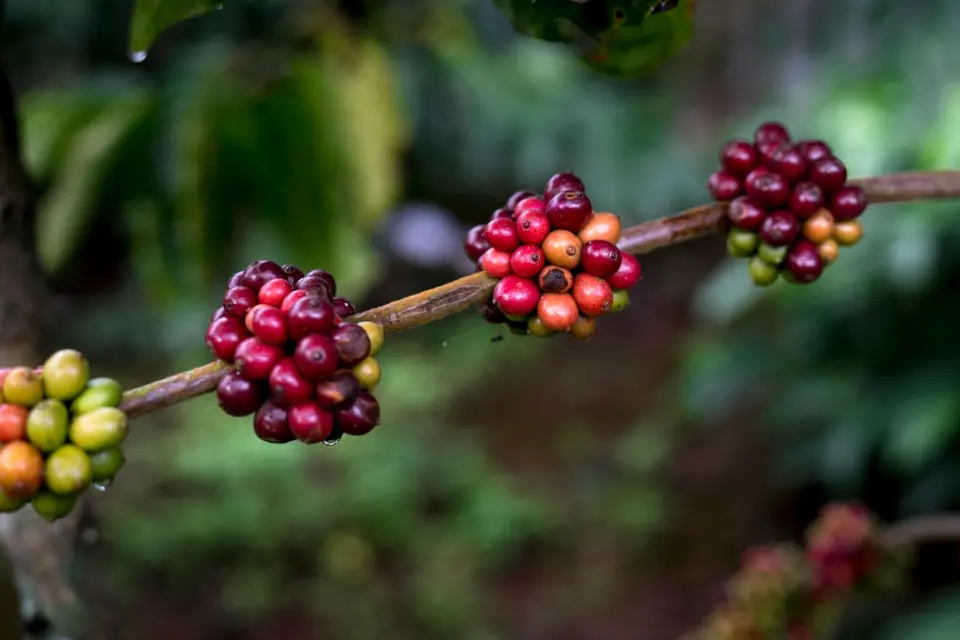
A local name and a later genetic account can describe different kinds of evidence.
 Article
Genetic identification adds evidence without making every commercial name precise.
 Article
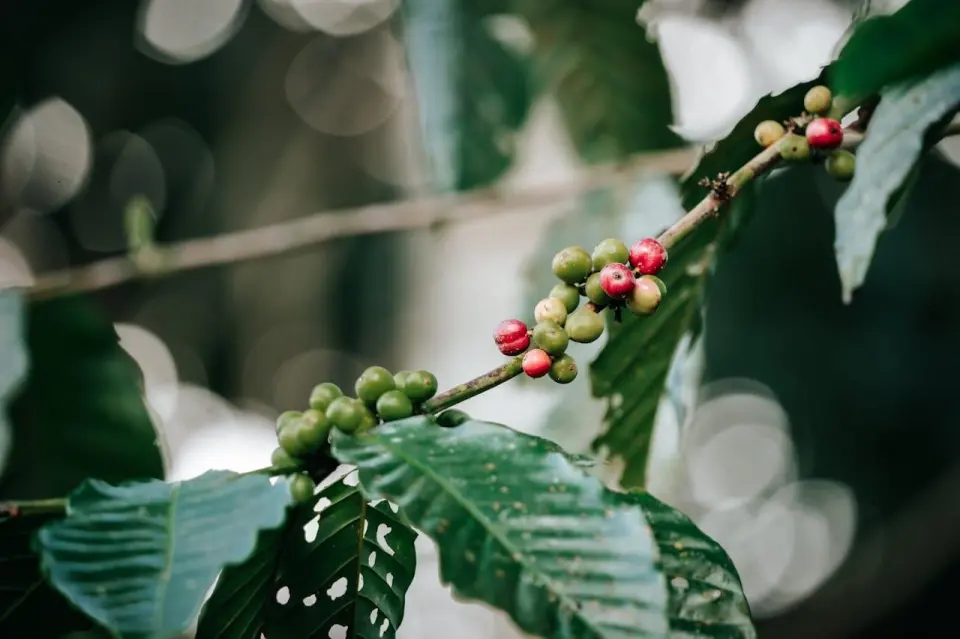
Local terminology can add detail beyond a broad heirloom label.
 Article
A traditional variety remains dependent on growing, processing and roasting decisions.
 Article
A famous variety name should not erase the detail of an Ethiopian offering.
 Article
Coffee, dilution, sweetness and texture can create a complete drink without spirits.
 Article
Pairing works best when intensity and serving size are considered together.