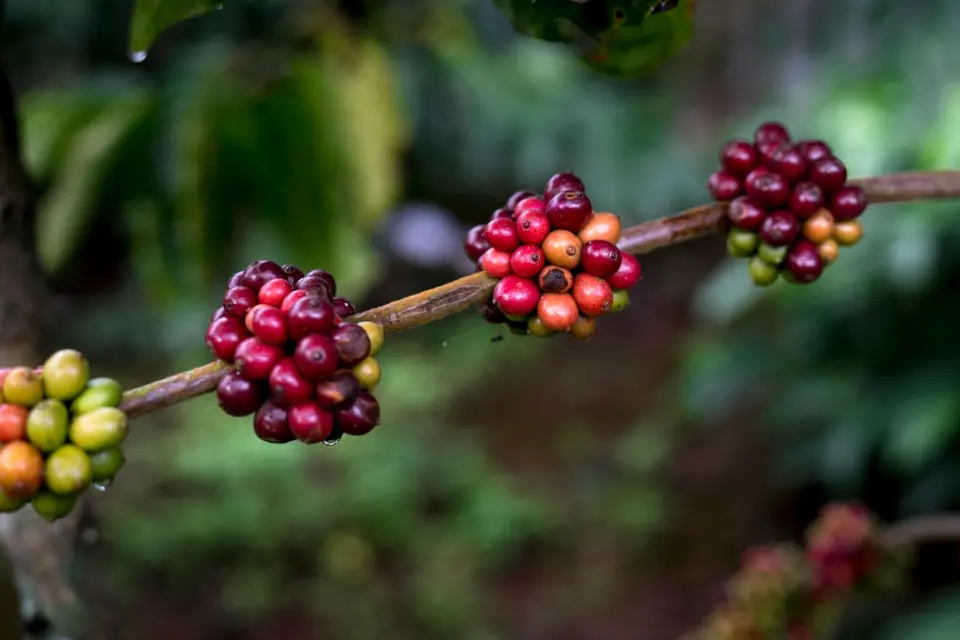
Coffee varieties have often been identified through plant appearance, fruit characteristics and names passed between growers. The source uses Pink Bourbon to discuss how genetic work can challenge an assumed relationship. That is a reminder to distinguish a familiar label from a fully established botanical identity.
Ask which samples were examined and how a claim applies to the specific lot being sold. A conclusion about tested material does not necessarily identify every coffee carrying a similar trade name. Keep the producer's plant-material information together with the harvest and processing account.
For drinkers, better identification improves the questions available before buying. It does not replace sensory assessment or turn a genetic relationship into a recipe. Taste an identifiable coffee under repeatable conditions and record its balance, texture and finish, leaving uncertain parentage as uncertainty rather than filling it with an attractive story.
The conversation
A good question can make a better brew.