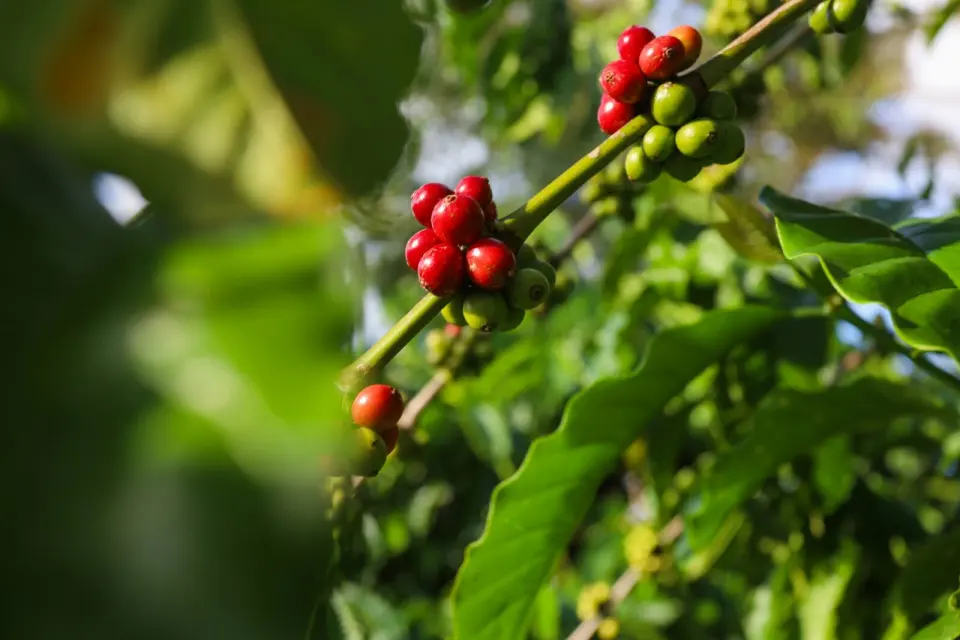
Panama helped make Gesha famous internationally, yet the variety is grown in several other coffee-producing countries. CoffeeBox's guide draws on a 2021 Coffee Review feature comparing non-Panamanian examples, including coffees from Colombia, Guatemala, Ethiopia and other origins. Its useful lesson is variety diversity within a name, rather than a permanent league table of countries.
Growing environment, plant identity, fruit selection, processing and roasting all influence the cup. A floral washed coffee and a richer natural coffee can both be sold as Gesha without tasting alike. A historical report's selected scores describe those submitted lots; they should not be used as national averages or predictions for a current bag.
When comparing offerings, keep producer, harvest, processing and roast information beside the variety name. Brew a consistent baseline and taste through cooling to explore floral aroma, fruit sweetness, acidity and texture. Price and reputation may guide curiosity, but the actual lot and your preferences determine whether the coffee is a useful purchase for you.
The conversation
A good question can make a better brew.