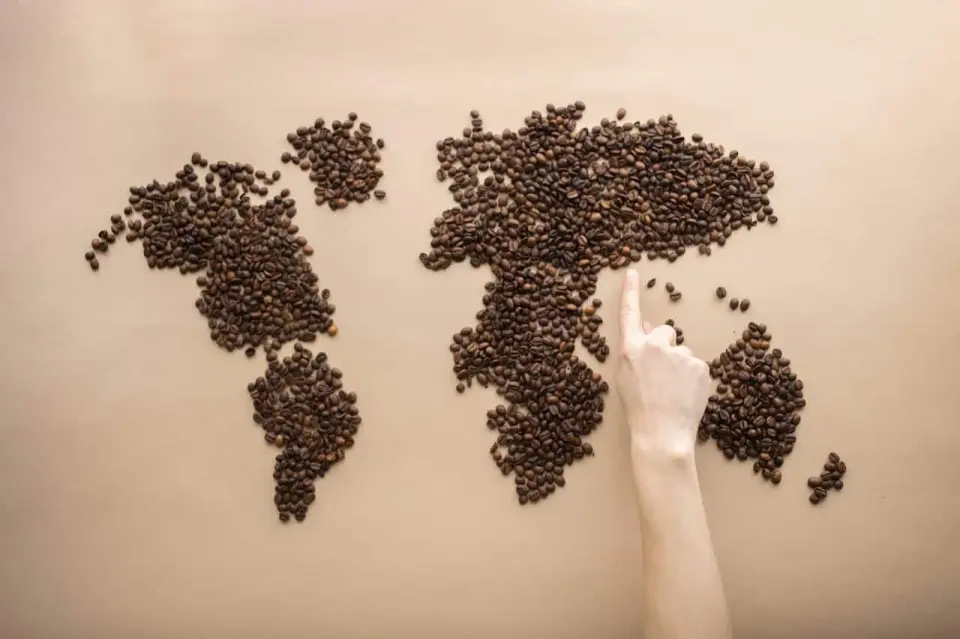
A map of coffee origins provides an accessible introduction to the regions where coffee is grown. The source moves between major producing countries to explain why place matters. Geography, however, should not be presented as a fixed flavour code that applies identically to every bag bearing a country's name.
Look below the national label. Region, farm or station, variety, harvest and processing can distinguish coffees within one country as clearly as between countries. Roast and preparation add further differences. The broad associations used in an introductory guide are useful prompts for exploration, not a substitute for product-level information.
Choose a small number of clearly identified lots and brew them under comparable conditions. Record your observations before checking the seller's complete notes, then compare what the descriptions help explain. Over time, the map becomes a record of actual coffees you have tried rather than a collection of stereotypes about entire producing nations.
The conversation
A good question can make a better brew.