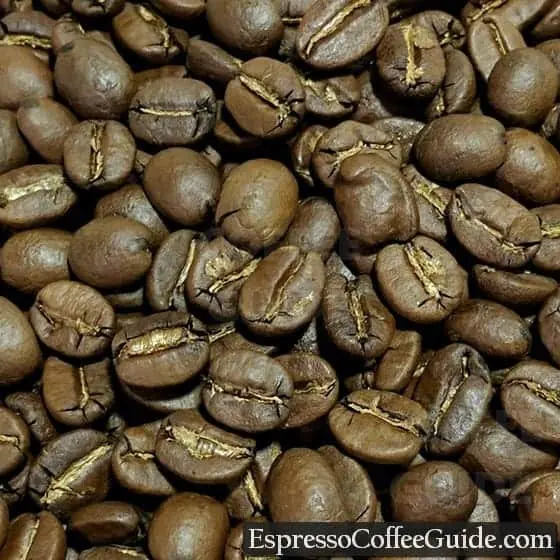
Cuba grows coffee, and the source discusses mountain regions including the Sierra Maestra and Escambray. It also describes ways of preparing and serving coffee. These subjects are related but distinct: Cuban-style coffee can be made with beans grown elsewhere, while a genuine Cuban agricultural origin does not specify how the final drink must be sweetened or brewed.
A retail bag should identify the actual origin and the seller's available lot information. If the claim concerns a particular region, producer or organic practice, ask what evidence supports it. The source's descriptions of mountain harvesting and transport provide context, but they do not establish the current handling of every offering.
For the cup, consider the roast and the method separately from origin. A moka pot and a pump espresso machine do not perform the same extraction simply because both can support a concentrated, sweetened serving. Availability and shipping conditions can also vary by market, so check current retailer information rather than relying on old trade commentary. Clear naming protects both the product's origin story and the preparation's identity.
The conversation
A good question can make a better brew.