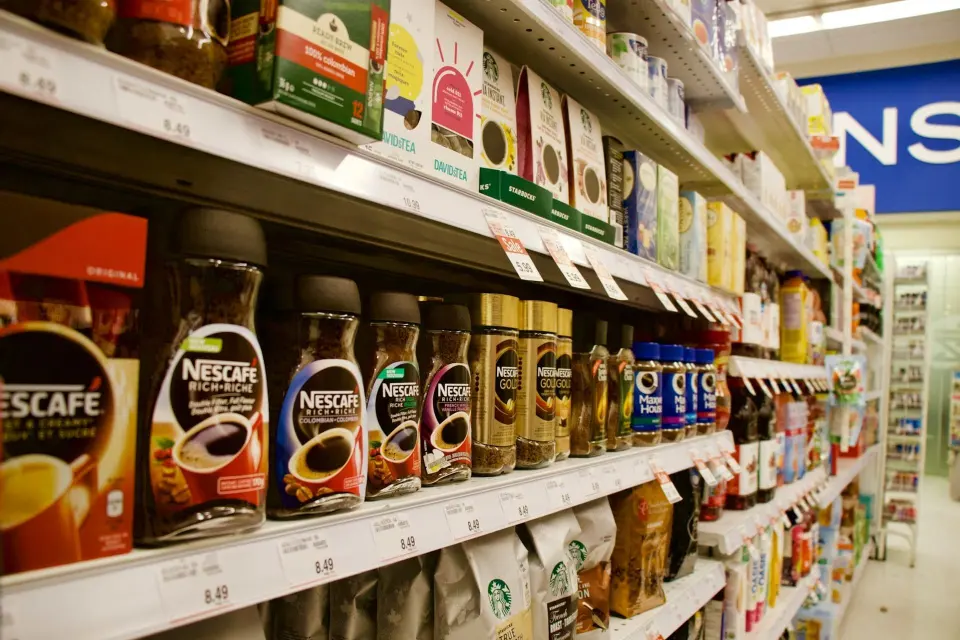
CoffeeBox's supermarket guide encourages looking beyond promotions and package design. A useful first check is whether the coffee is whole bean or ground, whether the roast style suits your preparation and what date information is supplied. A roast date and a best-before date describe different things; neither creates one universal flavor deadline for every bag.
Look for a clear identity and intended use. Origin, blend composition or processing information can help, but incomplete detail does not justify inventing a poor-quality explanation. Blends can be carefully designed, and robusta is not automatically a defect. A dark roast may be an intentional preference rather than evidence that a producer hid bad beans.
Choose a quantity you can use sensibly, check that packaging is sound and compare serving cost rather than headline discount alone. If uncertain, a smaller bag limits the risk of being stuck with a profile you dislike. Brew with a repeatable recipe before judging the purchase, since grind and concentration affect bitterness as well. The practical aim is acceptable flavor for your routine and budget, not proving that every supermarket bag is stale or every specialty bag superior.
The conversation
A good question can make a better brew.