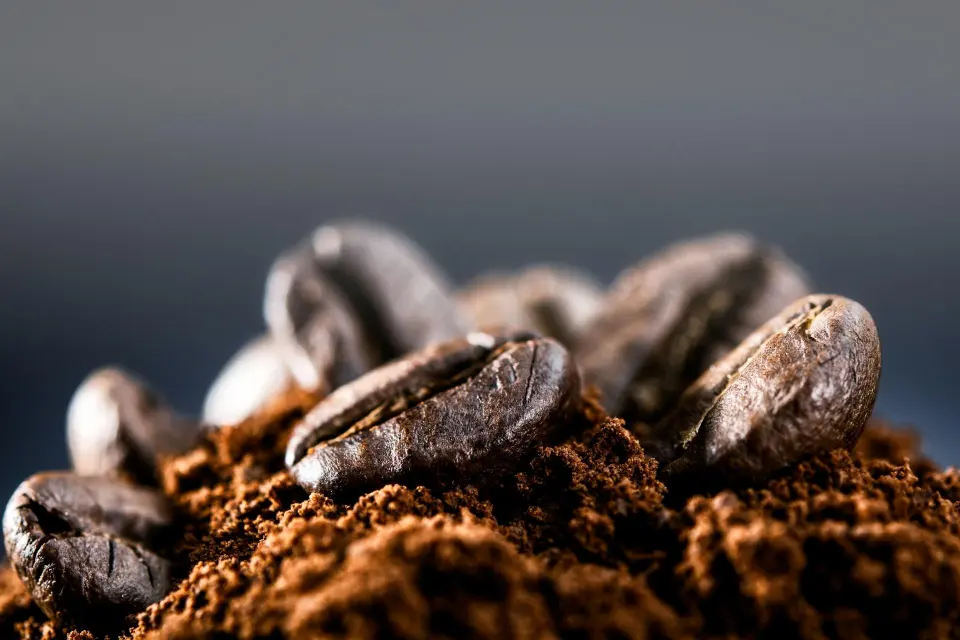
Regenerative agriculture is used to describe farming approaches aimed at improving the condition and function of agricultural ecosystems. In coffee discussions, practices may include ground cover, compost management, shade trees, reduced soil disturbance and efforts to support biodiversity. CoffeeBox presents these ideas through soil health, but the term alone does not identify a single universally regulated standard.
Organic certification and regenerative claims answer different questions. Neither should be described as automatically superior without examining the particular requirements, practices and outcomes. Ask what a farm changed, how results are measured and whether an independent standard or assessment applies. Claims about carbon storage also need a defined method and timeframe.
Better farm conditions can support production, but cup quality still depends on variety, fruit selection, processing and roasting. A regenerative label is not a guaranteed tasting note or an automatic score increase. For buyers, traceable farm information and a clear account of the claim are more useful than a broad promise that one bag repairs the planet.
The conversation
A good question can make a better brew.