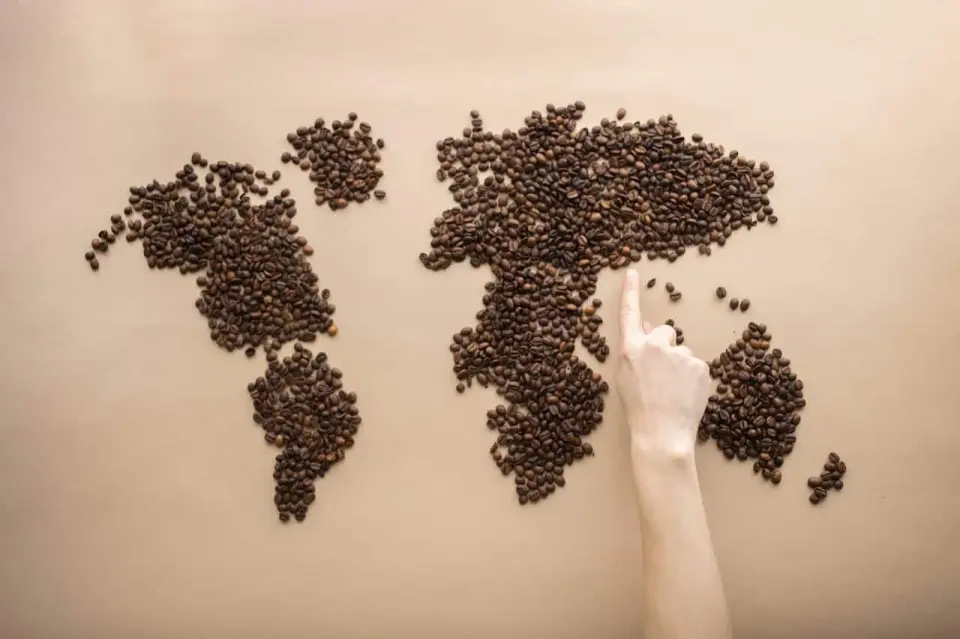
CoffeeBox frames climate change as a problem already affecting coffee-growing decisions, rather than only a distant possibility. Heat, changing rainfall, drought and disease can alter yields, quality and production costs. The frequently repeated question about coffee in 2050 is therefore best understood as a discussion of changing suitability and adaptation, not a date when every farm suddenly becomes unable to grow coffee.
Projections depend on the region, climate scenario and assumptions used. A global percentage cannot describe every farm's experience or predict the exact price of a future bag. Adaptation options discussed in the source include shade systems, breeding, changes in farm management and evaluating other coffee species. Moving production uphill also has land, livelihood and environmental constraints.
For drinkers, traceable sourcing and clear accounts of producer relationships are more useful than a dramatic extinction slogan. Ask what a company actually supports and how the information can be checked. Remaining open to different origins and varieties can broaden choices while farmers and researchers address conditions that vary substantially between places.
The conversation
A good question can make a better brew.