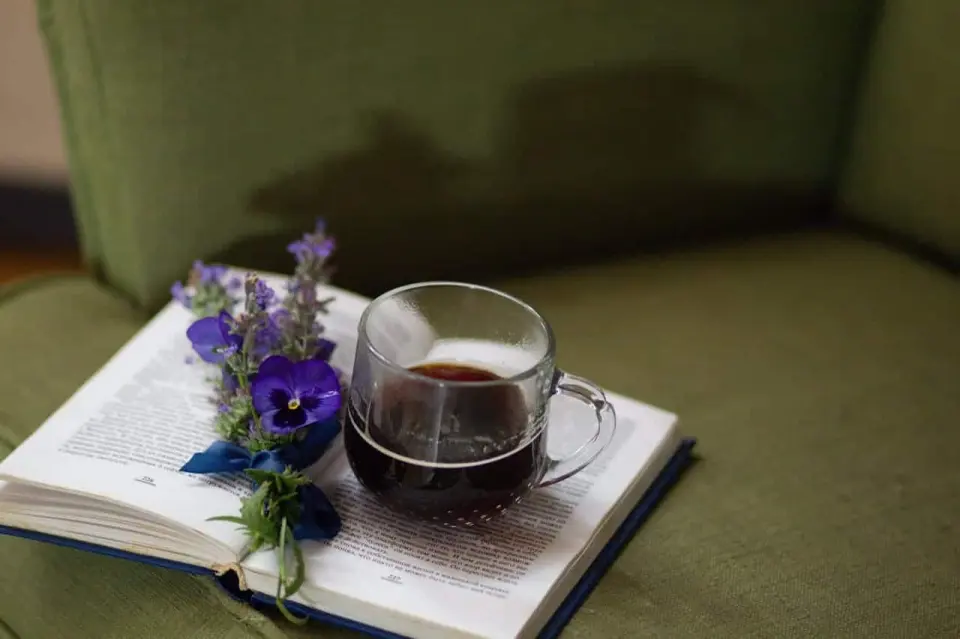
CoffeeBox's decaf discussion argues for assessing decaffeinated coffees as individual lots rather than a single inferior category. Origin, variety, original processing and roast still matter. A favourable review of one release does not establish a fixed quality gap between every decaf and its regular counterpart, or guarantee the same result in another harvest.
Decaffeination methods differ. Ethyl-acetate processes use that substance to help remove caffeine; a sugarcane designation refers to the described process or solvent origin. Swiss Water uses a water-based coffee extract and filtration, while carbon-dioxide methods use controlled pressure conditions. None is accurately explained by a blanket promise that no chemicals are involved, and a method name alone cannot determine the best flavour.
Read the stated process and brew the coffee with a recorded recipe, adjusting through the result rather than assuming all decafs need identical treatment. Decaffeinated also does not mean caffeine-free. Someone with a strict caffeine restriction should use product information and individual professional guidance rather than interpreting the label as zero.
The conversation
A good question can make a better brew.