 Article
Brewing
DAK Surf Jam: a conical recipe with split circular and central pours
A 1:18 water ratio and three timed pulses structure this Ethiopian natural preparation.
Coffee knowledge · Reviews · Coffee beans · Coffee shops
Article
A 1:18 water ratio and three timed pulses structure this Ethiopian natural preparation.
 Article
Fourteen grams and 200 milliliters produce the source’s small, concentrated starting brew.
 Article
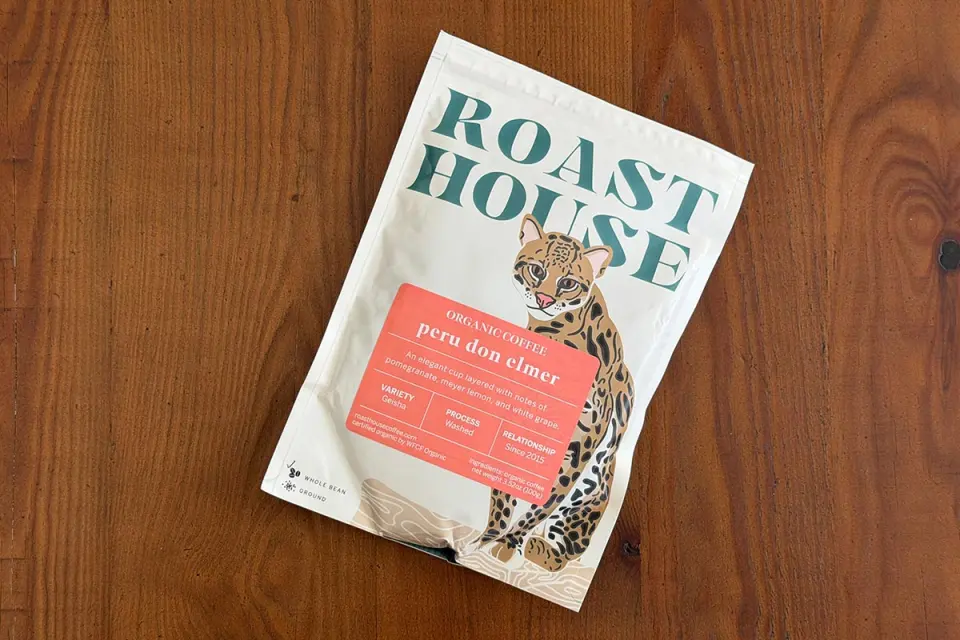
Twelve grams of coffee and 200 milliliters of water keep the source method minimal.
 Article
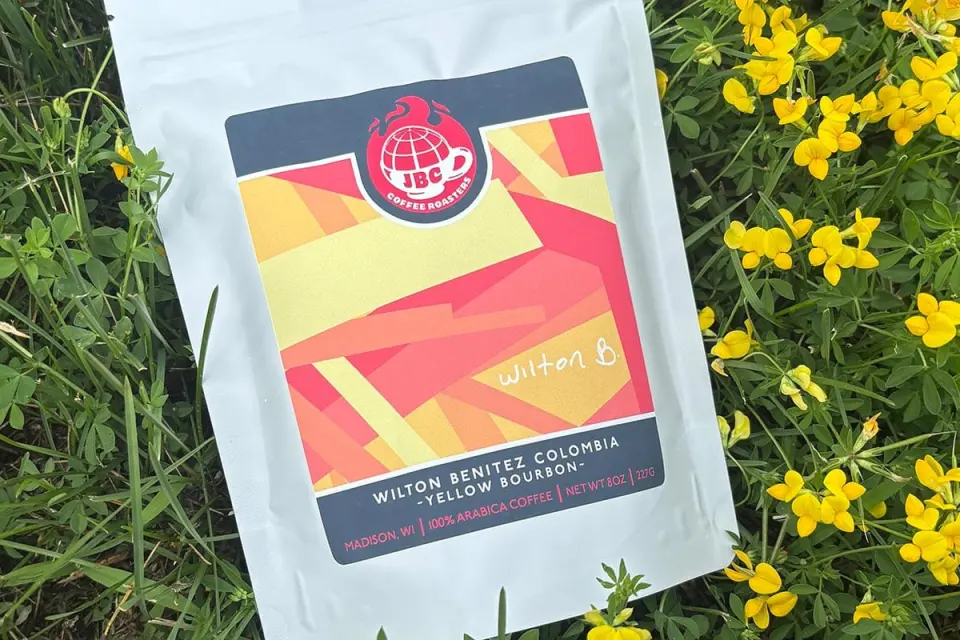
The four additions total 350 grams despite a repeated cumulative number in the source.
 Article
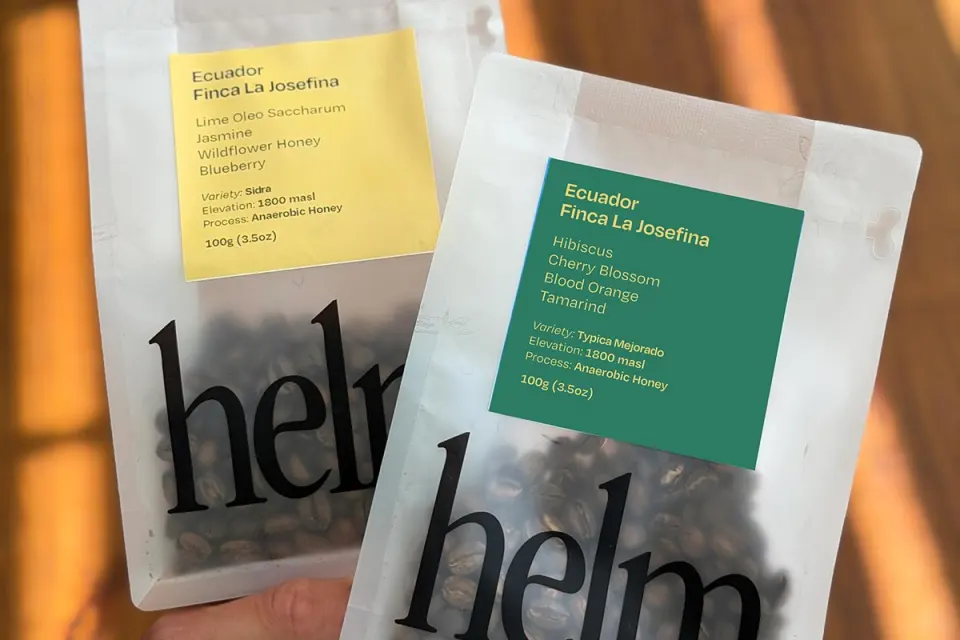
A draining first pour precedes a closed-valve immersion phase in the Ecuadorian coffee guide.
 Article
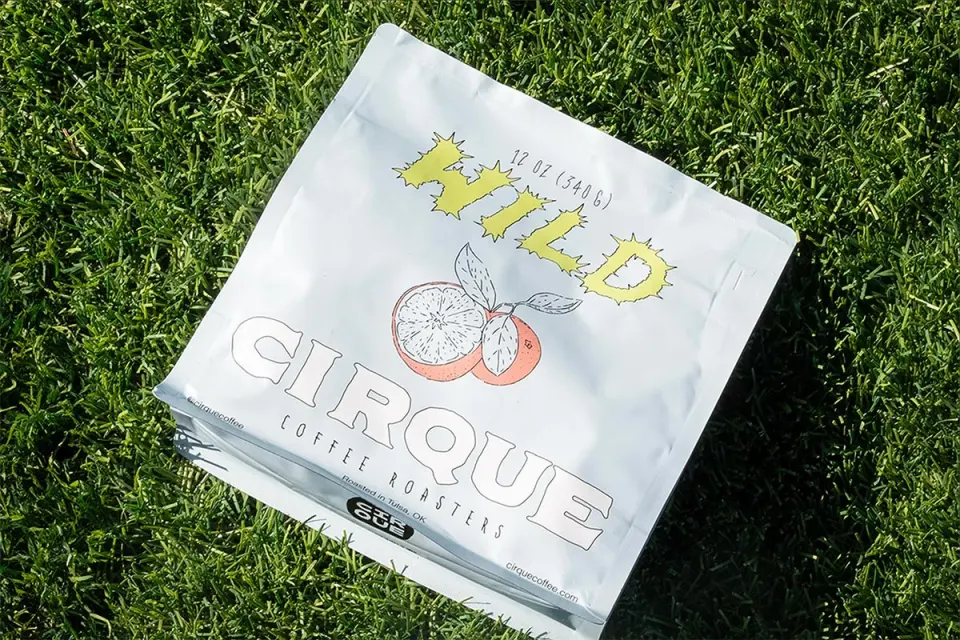
The source uses a small dose and an extended contact period for a Colombian co-ferment selection.
 Article
The source provides a complete filter sequence but only a parameter list for its alternative brewer.
 Article
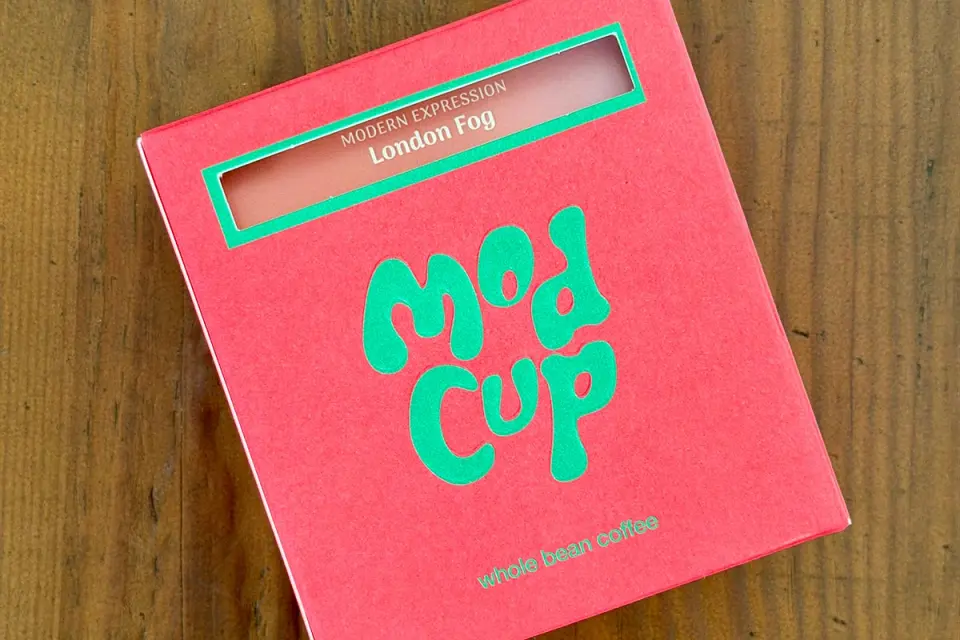
The named blend combines Colombian and Ethiopian coffees; it is distinct from a tea-based London Fog drink.
 Article
The written additions total 290 grams, matching the panel despite a 300-gram claim in the last step.
 Article
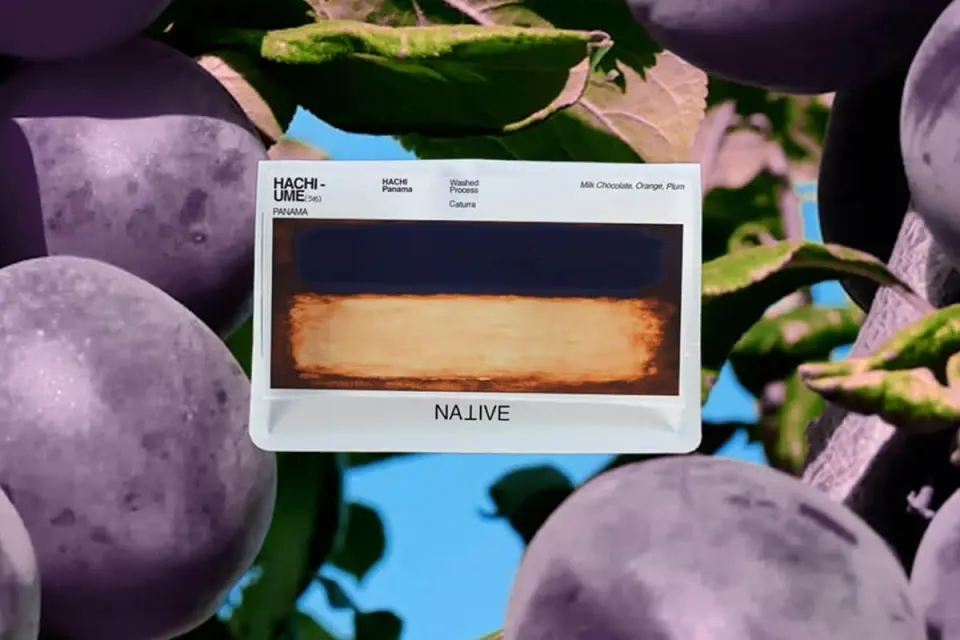
A 16-gram recipe preserves the source’s timing for a Panama Gesha described as sous-vide processed.
 Article
A shared 16-gram recipe can make a tasting set easier to compare.
 Article
The panel, cumulative totals and individual additions cannot all be correct, so the discrepancy remains explicit.
 Article
The source combines a fixed water budget with flexible timing based on the bed’s drawdown.
Article
Two versions use the same 16-gram dose and 260-milliliter water budget.
Article
The source avoids heavy agitation while measuring a 270-milliliter brew.
Article
A 45-gram bloom leads into two equal main pours for the washed Rwandan coffee.
Article
A medium-coarse grind and short drawdown target distinguish this high-elevation Ethiopian guide.
Article
Three timed additions use an exact 256-milliliter water budget.