Brewing
Coffee From 1650 to 1700: London's Coffeehouses and Information Trade
The late seventeenth-century coffeehouse was a place to exchange news and conduct business as well as buy a drink.
Coffee knowledge · Reviews · Coffee beans · Coffee shops
The late seventeenth-century coffeehouse was a place to exchange news and conduct business as well as buy a drink.
Early seventeenth-century accounts connect European interest in coffee with Ottoman and Red Sea trading networks.
Coffee's early history is clearer when botanical origins, documented drinking and later legends are treated as different questions.
A useful timeline separates cultivation, trade, inventions and café culture while making room for uncertainty in famous origin stories.
Useful espresso adjustments begin with the machine's instructions, a suitable grinder and a consistent dose and yield.
Choose the cup size, prepare a balanced espresso and add smooth steamed milk in proportions you actually enjoy.
 Article
A steady dose, prepared puck and measured beverage yield provide a clearer route to improvement than chasing a supposedly perfect volume.
Mérida, Táchira and Trujillo offer more specific starting points than a country label, while older trade classifications need context.
The regional reputation emphasizes balance and sweetness, but the lot and roast determine whether those qualities appear in your cup.
Regional names, processing information and verified certifications make a Peruvian coffee easier to compare than broad claims about value.
 Article
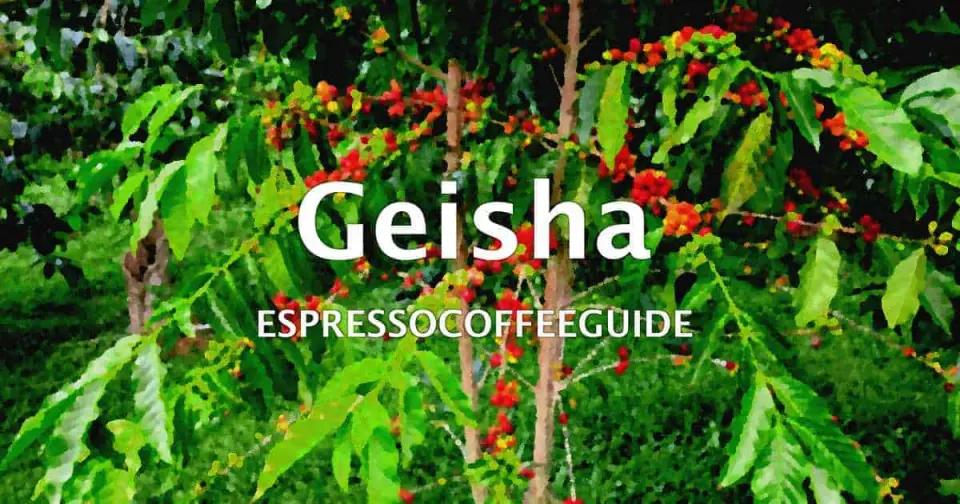
Floral descriptions and auction prestige can attract attention, but producer, cultivar identity and processing explain what is actually being offered.
Gesha is prominent, but Panama also produces coffees identified as Typica, Bourbon, Catuaí and Caturra.
 Article
Segovia, Jinotega and Matagalpa are useful starting points, while washed, honey and natural lots offer different routes through processing.
The name connects Mexican coffee with an area near Guatemala, but a buyer still needs the producer and lot information.
This Mexican coffee name points toward Oaxaca, while the exact producer and processing method remain important purchasing details.
Chiapas is the state-level origin; Tapachula may provide a narrower market reference within it.
The source links this Mexican coffee with natural processing and hand sorting, details that should be confirmed for the specific product.
Coatepec identifies a Mexican coffee area, while Altura signals an association with higher elevation rather than a complete quality assessment.