 Article
Brewing
A Geisha and washed-Ethiopian blend: ask what each component contributes
A blend can be considered as a designed recipe rather than a lesser alternative to a single origin.
Coffee knowledge · Reviews · Coffee beans · Coffee shops
Article
A blend can be considered as a designed recipe rather than a lesser alternative to a single origin.
 Article
Processing contrast is useful context, but the finished blend needs to be judged as a whole.
 Article
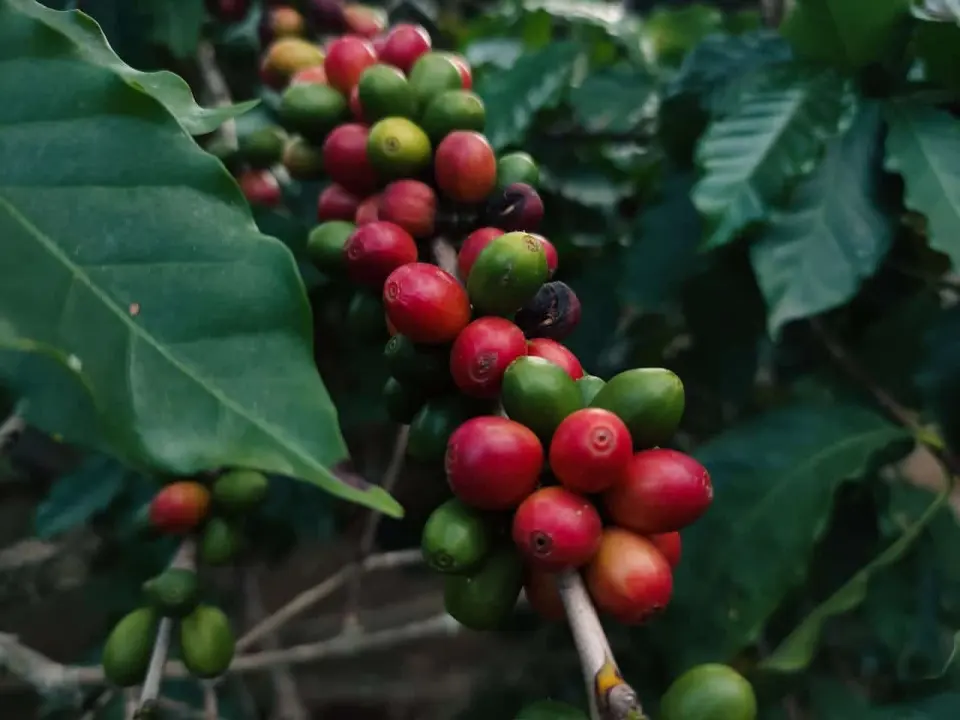
Confirm the current lot information instead of treating a colour label as a permanent specification.
 Article
A named producer and variety make a useful beginning for a washed-coffee profile.
 Article
A familiar Indonesian label needs more information than a name and a promise of body.
 Article
Traceability helps distinguish one Ethiopian offering from a broad flavour stereotype.
 Article
A berry-oriented description is one part of a more specific lot story.
 Article
Clarity and floral language should be evaluated in the context of an identified lot.
 Article
Distinguish a product name from the underlying production information.
 Article
A fermentation-led name should lead to questions about the actual process.
 Article
A restrained process description can be as useful as an elaborate fermentation story.
 Article
A musical product name is not a botanical variety or a standardised recipe.
 Article
Look for an explanation of the stages behind a distinctive process label.
 Article
The source's comparisons should remain distinct from ingredient claims.
 Article
Clarify whether the description concerns roast character or the production method.
 Article
Traceable variety information is more useful than a colour-based assumption.
 Article
Understand the process story while leaving room for your own tasting response.
 Article
Check the bag's intended use and keep brewing strength separate from dilution.