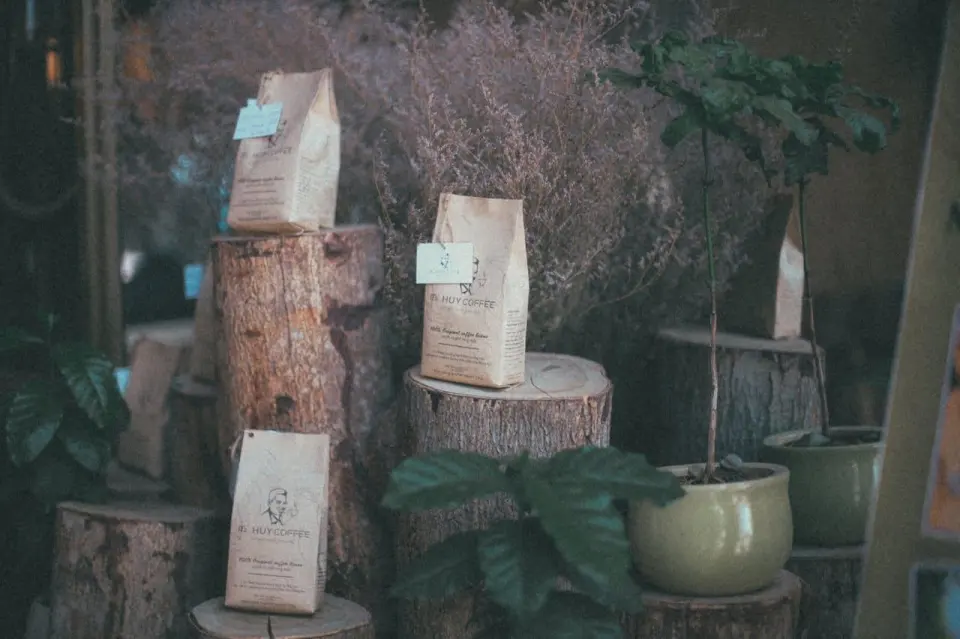
The source explores a Colombian blend that brings naturally and washed-processed coffee into the same product, with Geisha mentioned in the component story. Keeping those details specific prevents the word blend from hiding important information about what is actually being sold. Here the design contrasts natural and washed components within a Colombian blend, illustrating how processing can be part of blending decisions alongside geographical origin.
Ask how the roaster identifies the components and whether the recipe may change between harvests. Different processing routes can offer contrasting sensory possibilities, but they do not operate like fixed flavour ingredients. The roast and the balance chosen by the blender also shape the final cup.
Taste the blend at a consistent strength before drawing conclusions about individual components. Write down whether its acidity, sweetness and body feel integrated, and compare the finish as it cools. A useful buying decision considers the available traceability and the drink you enjoy, rather than assuming that combining processes automatically creates either greater complexity or greater quality.
The conversation
A good question can make a better brew.