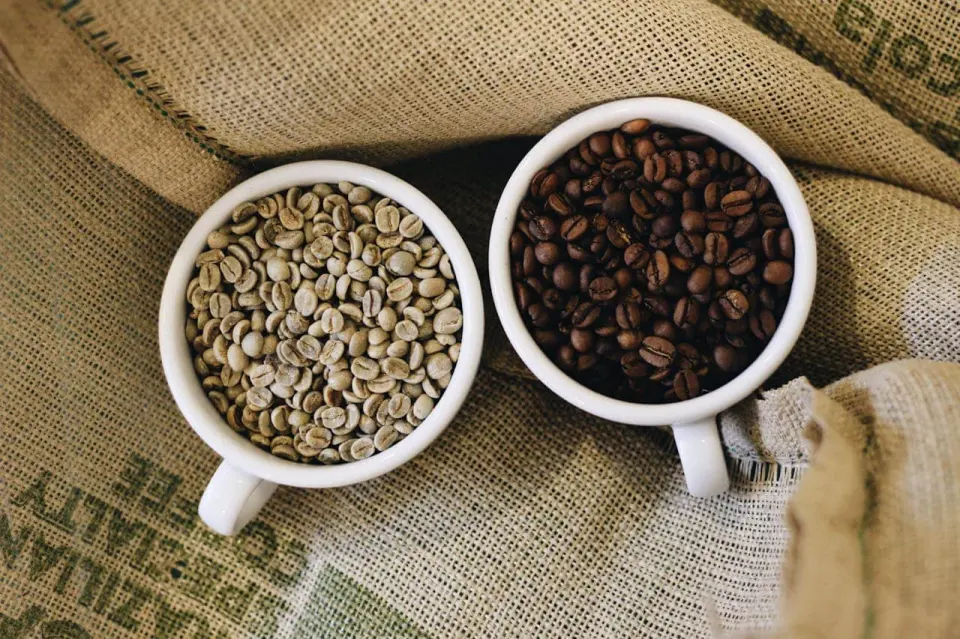
Tebe Burka and Uraga provide the geographical and production references in the source's profile of an Ethiopian washed coffee. More precise names can improve traceability, but they do not remove the need to check which lot a retailer currently offers. Uraga is the more specific Guji location in this washed-coffee discussion, while the Tipopoka name identifies the source offering rather than a brewing method.
Read the washing description, variety information and roast together. A claim of a clean or floral cup is sensory language, not proof that one method is superior to all others. It is also not an invitation to assume the coffee contains added flowers or other ingredients.
Prepare a measured cup and notice how sweetness, acidity and body develop as it cools. Write your initial observations before comparing them with the source's tasting references. This keeps the profile useful as a guide to exploration while making clear that BeanScene has not carried out a first-hand tasting or a visit to the processing site.
The conversation
A good question can make a better brew.