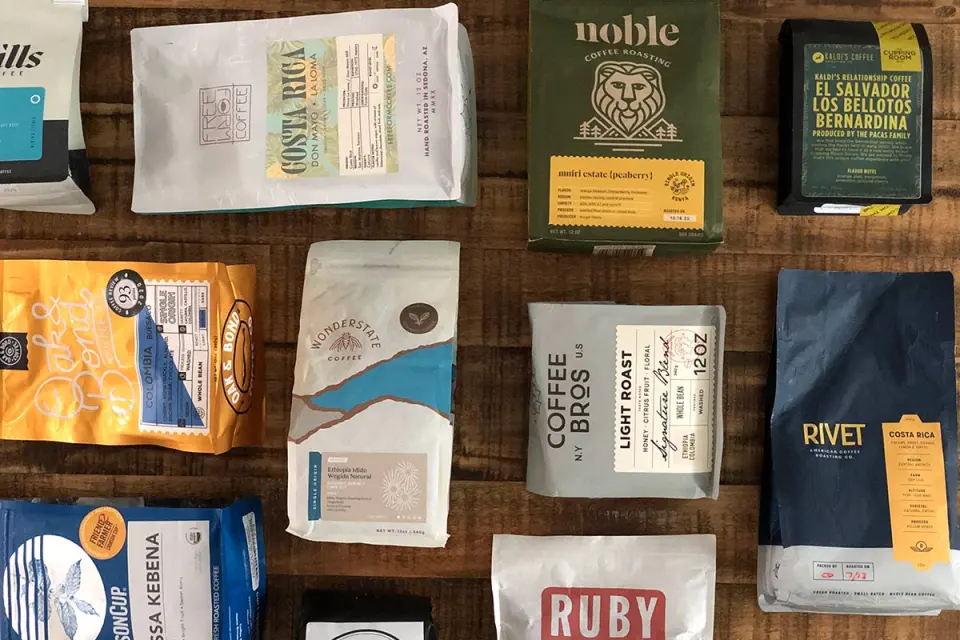
A coffee bag's tasting notes are compressed descriptions, not a promise that every sip will taste like a listed food. Pull & Pour's guide makes a useful distinction: one note may describe fragrance, another sweetness, and another the lingering finish. Reading all three as literal flavors can create misleading expectations.
Look for words that explain the relationship. Berry sweetness is more specific than berry alone; silky body concerns texture, while a chocolate finish describes what remains after the sip. Ordering on a label can sometimes suggest this progression, but it is not a standardized rule. A longer product description may provide the missing context.
Build your own reference points by smelling and tasting familiar foods, then compare several different coffees at a comfortable pace. Notice aroma before sipping, texture while drinking and the aftertaste afterward. You do not need to reproduce someone else's exact vocabulary to taste carefully. Record broader impressions first, such as citrus brightness or syrupy sweetness, and refine them only when a comparison feels convincing. Enjoyment remains more useful than a checklist of supposedly correct answers.
The conversation
A good question can make a better brew.