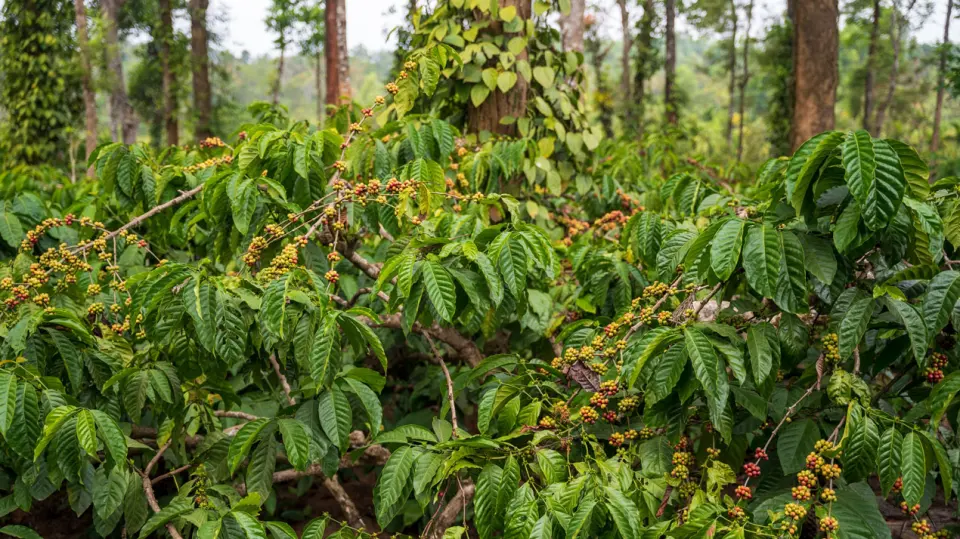
Coffee sustainability includes both farming conditions and the livelihoods of the people who grow the crop. Coffee trees depend on their surroundings, while farmers depend on dependable harvests, usable roads, market access and income. A claim about one environmental practice therefore cannot describe the whole economic situation of a producing community.
The source highlights shade and diverse planting, research into climate resilience, and collaboration among growers, companies and nonprofit groups. These address different problems. A farming practice may support habitat, a research project may work on resilient plants, and a purchasing program may focus on trading relationships. None should be treated as a universal guarantee that every other challenge has been solved. Broad statements about a sustainable cup are more informative when they name a specific program or action.
When comparing bags, ask what the claim covers and whether it applies to this product, a company-wide target or an individual project. Look for a named standard, a traceable origin or a clear account of the work. For home brewing, buying an amount you can use and avoiding unnecessary waste are practical decisions that remain under your own control.
The conversation
A good question can make a better brew.