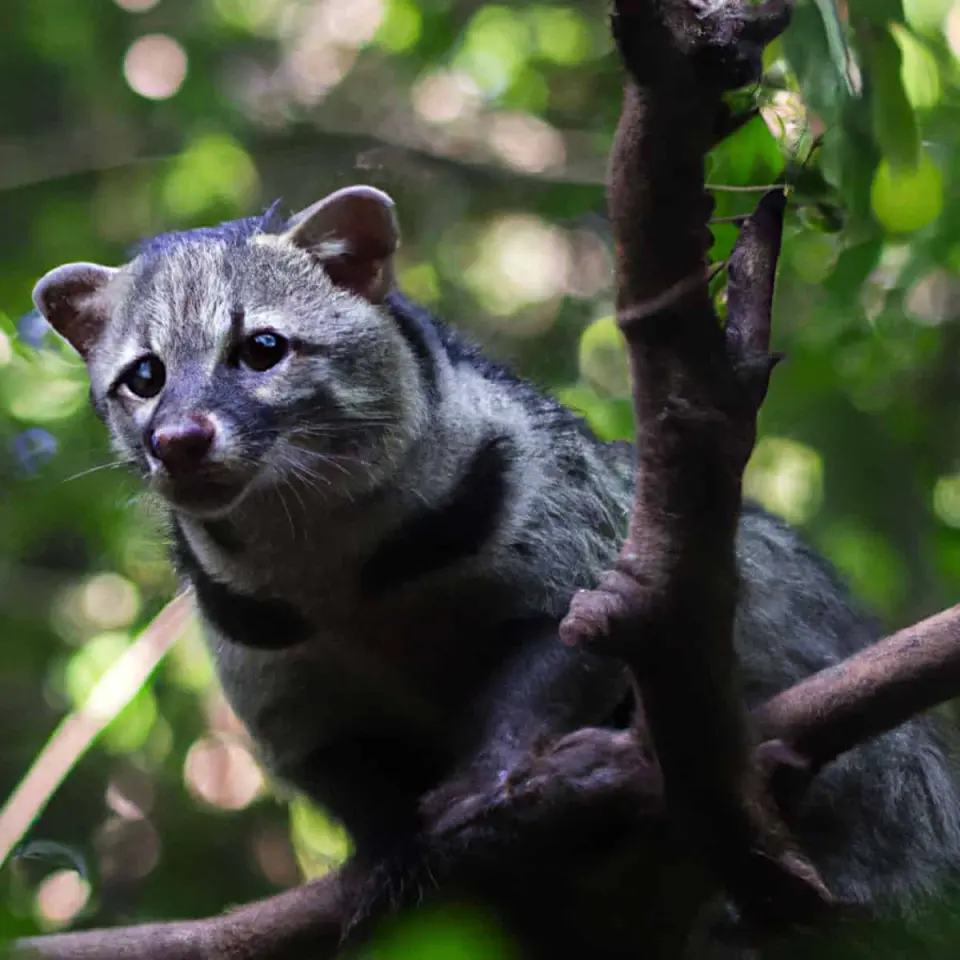
Civet coffee describes coffee associated with cherries eaten by civets, followed by collection and further processing of the recovered seeds. Kopi luwak is the familiar Indonesian term, while the source also discusses names such as Kape Alamid in the Philippines. These names describe a production category and local terminology, not a guarantee that every coffee has the same species, origin or flavor.
Keep actual animal-associated coffee separate from simulated products marketed around a similar idea. Ask the seller to identify the producer, the coffee itself, its collection practices and any independent evidence supporting animal-welfare or authenticity claims. A conservation story attached to one historical project does not certify another supplier’s coffee, and an unusually high price is not proof of either responsible production or superior taste.
Descriptions of smoothness, aroma or reduced bitterness should be treated as claims to assess, not universal results or safety assurances. If the sourcing cannot be documented, a conventional traceable coffee offers a clear alternative. This profile explains how to read the category without repeating old prices, endorsing captive-animal practices or presenting an unperformed laboratory test or firsthand tasting as evidence.
The conversation
A good question can make a better brew.