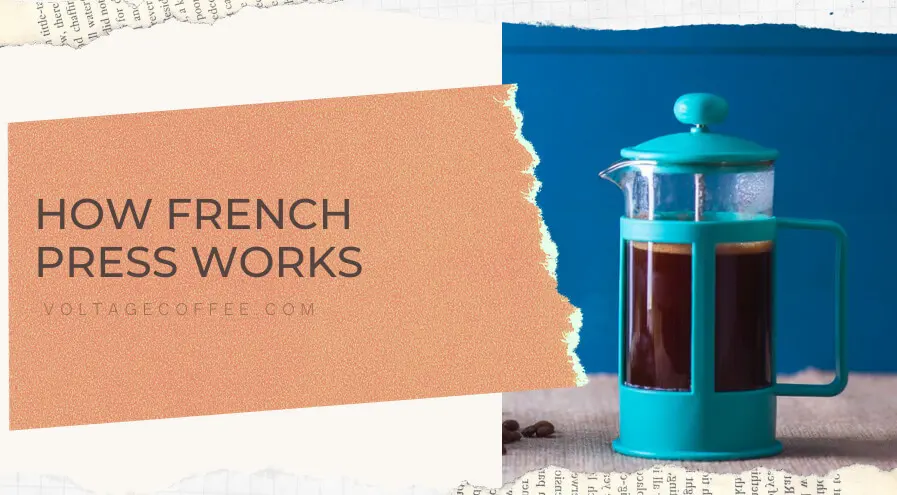
The familiar French press has a straightforward division of work. The carafe holds coffee and water, the lid helps contain the brew, and the plunger carries a filter that moves through the vessel. A spring or surrounding edge helps the filter fit the inside wall. Exact assemblies vary, so the parts and cleaning method should be checked on the model you own.
During brewing, the grounds are immersed in water. When you lower the plunger, the mesh separates larger particles from the liquid; it is not a pump producing espresso pressure. Very fine particles can still pass through the mesh, which helps explain the texture of press coffee. A jammed or resistant plunger is a reason to stop and inspect the setup, not to apply more force to a hot vessel.
Pay attention to the less visible surfaces after brewing. Coffee can remain between filter layers, around the rim and in the lid. Remove residue and dry the components according to the maker's directions before reassembly. Understanding these ordinary functions makes it easier to diagnose sediment, leaks or awkward plunging without attributing every problem to the coffee beans.
The conversation
A good question can make a better brew.