An introduction to coffee can connect subjects that are often presented separately. The plant and its fruit explain what a bean is; processing explains how the seed is prepared after harvest; roasting changes its character; brewing determines how material reaches the cup. A useful foundation keeps those stages distinct instead of crediting every difference in flavor to origin alone.
Arabica and robusta are common commercial species, but a species name is only the beginning of a description. Variety, lot, growing conditions and processing add information, and the roast can emphasize or obscure characteristics. Read labels as evidence to investigate, not as a vocabulary test or a promise that a particular flavor must appear.
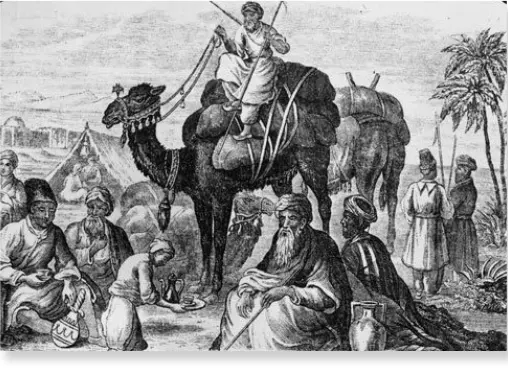
Coffee's history also includes cultivation, trade and the social life of coffeehouses. Those stories deserve careful sourcing, especially when an engaging legend is repeated as a precise historical event. For everyday brewing, begin with the details you can observe: the coffee, its preparation and your own preferences. Connecting accurate background with repeatable practice creates a stronger foundation than memorizing unsupported superlatives or dates.
The conversation
A good question can make a better brew.