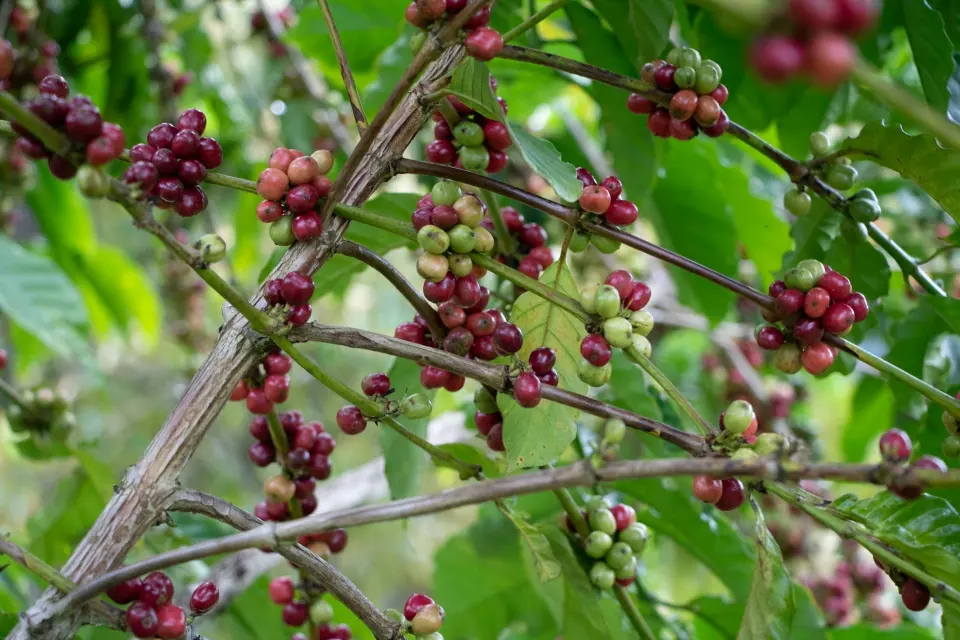
CoffeeBox identifies this offering with Danse Sayisa in the Hambella area of Guji, Ethiopia, and describes it as a natural-process G1 coffee. Its introduction emphasizes a sweet, berry-juice-like impression. Those descriptors are the source's expectations for the offering, not BeanScene's own cupping result.
Natural processing refers to drying coffee in the cherry before removing the dried fruit. The method can accompany expressive fruit notes, but it does not guarantee identical flavor or cleanliness across stations and harvests. Similarly, an Ethiopian grade label should not be expanded into an undocumented universal defect count or proof that every bean in a bag meets a particular sensory score.
For a buyer, the useful follow-up is lot-level information: producer or station, harvest, drying description and the actual roast. A general heirloom label does not identify a single verified cultivar. Brew a consistent starting recipe and consider whether the apparent fruit sweetness, acidity and finish are integrated. The source's broader stories about altitude and biodiversity provide context only where documented; they cannot substitute for traceability or mechanically explain the taste of one micro-lot.
The conversation
A good question can make a better brew.