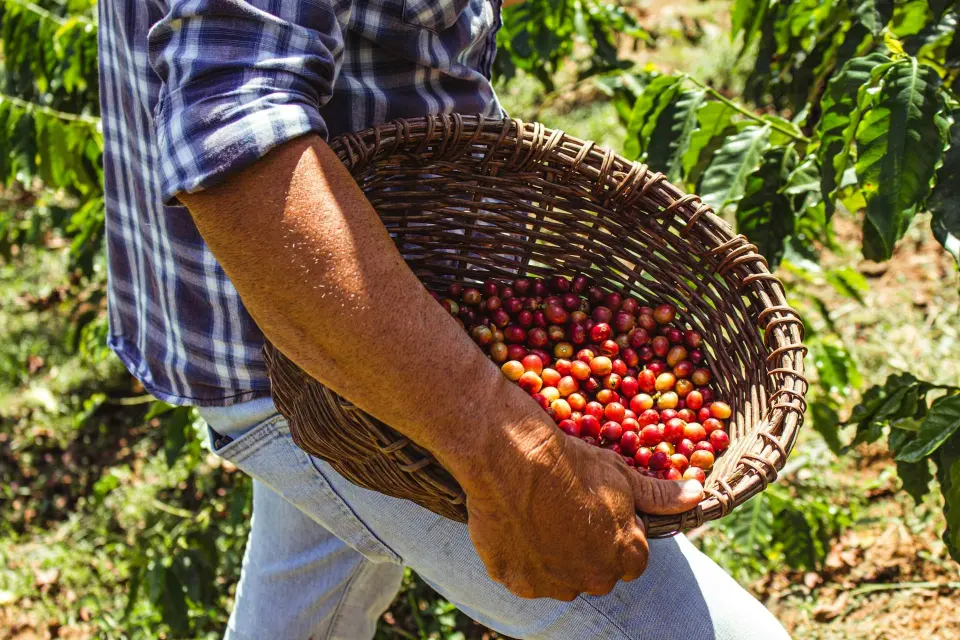
CoffeeBox connects café prices with the longer chain from coffee farms to a finished drink. Weather and harvest conditions in major producing countries can affect supply, while freight, exchange rates, inventories and trade policies can alter a buyer's costs. None of those relationships establishes a reliable forecast from one headline.
A café also pays for much more than green coffee. Roasting involves weight loss and production expenses; a drink includes labor, premises, equipment, energy and, where relevant, milk and packaging. A small green-coffee price movement therefore does not translate mechanically into the same percentage change on a menu. Purchase contracts and timing can delay the effect.
For a drinker comparing value, consider serving size, coffee quality, preparation and the service provided. Brewing some coffee at home changes the cost structure but introduces equipment and time of your own. The source's dated market figures and predictions should not be presented as current prices. A useful cost explanation separates the components and their uncertainty rather than claiming that one country's weather explains every increase or that a future fall in commodity prices guarantees cheaper lattes.
The conversation
A good question can make a better brew.