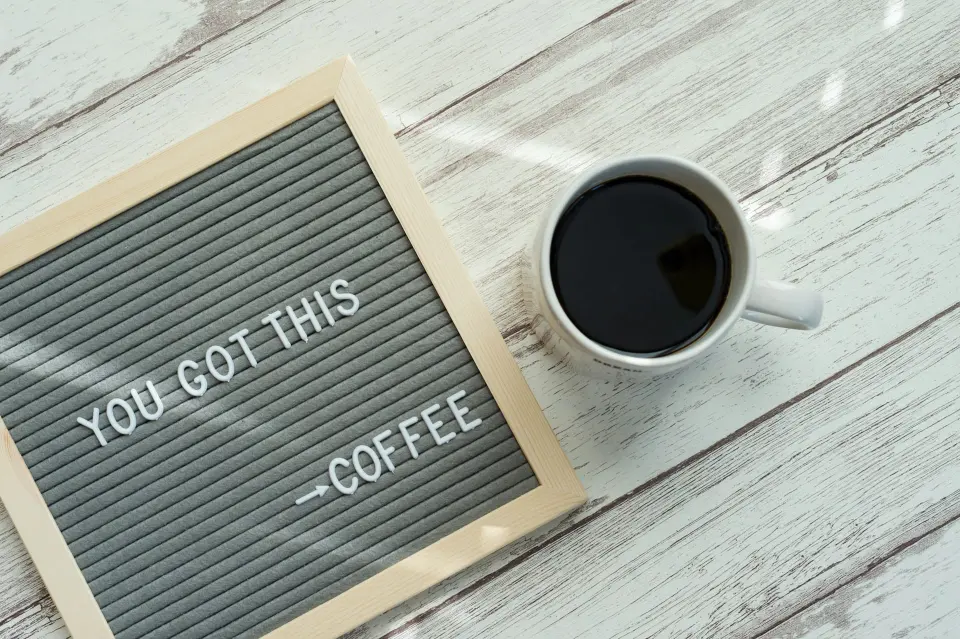
CoffeeBox connects the coffee break with industrial work, community stories and twentieth-century promotion. The broad lesson is that a familiar habit can develop through several influences. A colorful story from one town or a memorable advertisement does not by itself prove the first occasion on which workers paused for coffee.
Historical claims need the evidence appropriate to them: dated advertisements, workplace records or clearly identified accounts. Later retellings may combine different places and periods. A particular duration, twice-daily pattern or supposed standard blend should not be treated as universal merely because it fits the modern image of an office coffee pot.
The break's continuing appeal is easier to observe than its single origin. It creates a pause between tasks, a reason to leave a desk and sometimes a chance to talk. Workplace rules and legal entitlements vary, so a cultural article is not employment guidance. Make the present-day practice inclusive of people who do not drink coffee and considerate of shared space. Its value can lie in the pause itself without requiring caffeine, an exact ten-minute formula or an unsupported historical first.
The conversation
A good question can make a better brew.