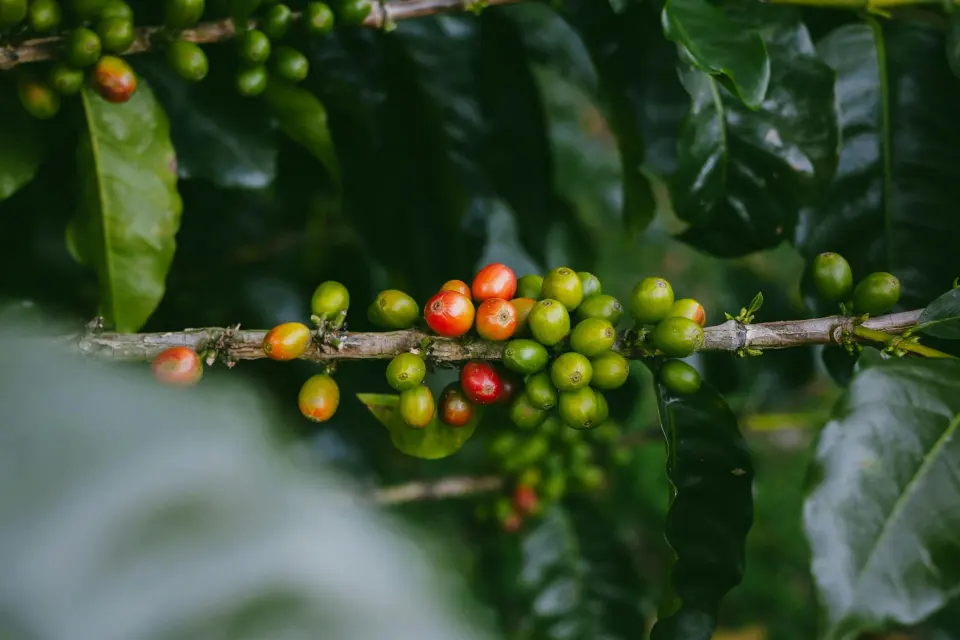
Gesha and Geisha are both encountered in coffee trade names, and Chinese labels add further translations of the same familiar term. CoffeeBox's guide explores the name's Ethiopian geographical background and its association with Panama's specialty-coffee reputation. Spelling alone does not establish a coffee's country, genetic identity, processing method or quality.
The source contrasts an Ethiopian washed offering with better-known Panamanian examples. Its sensory description includes jasmine, bergamot, peach and citrus, with a light body and a honeyed, tea-like finish. That is one lot's reported profile, rather than a reliable way to identify origin from taste or a promise that every Gesha will show the same notes.
Read the producer, harvest, variety information and processing together. When brewing, follow the actual roast and use the cup's balance to guide adjustments rather than lowering or raising temperature solely because of the name. Tasting through cooling can reveal changes in sweetness and aroma. The naming story adds context, while the particular coffee remains the subject of evaluation.
The conversation
A good question can make a better brew.