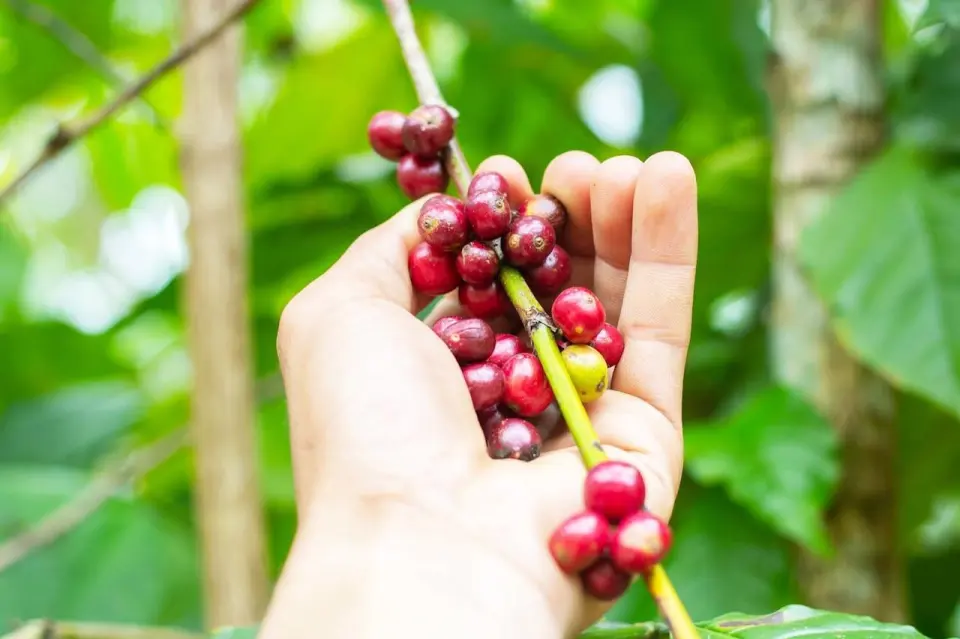
The source describes a blend through the relationship between African and South American coffee characteristics, with washed processing included in the account. A themed product name can introduce that idea, but buyers still need the current component information rather than a broad geographical slogan. The article's flavour vocabulary includes jasmine, sweet orange and an Earl Grey-like finish, illustrating the aromatic direction intended by this particular cross-origin blend.
Look for what the roaster says about the intended balance. Fruit, floral, tea-like and sweeter body descriptions are references to the designed cup, not fixed properties assigned to every coffee from a continent. Harvest changes can also lead to a revised blend recipe.
Brew at a repeatable strength and judge the combination as a whole. Notice whether the aromatic impression, acidity and finish support each other. Where component coffees are available separately, a comparison may be informative, but it is not necessary to enjoy the finished blend. Clear product information remains more useful than trying to read a complete flavour formula from the name.
The conversation
A good question can make a better brew.