Coffee filtration has evolved through changes in materials, manufacturing and brewer design. The source connects cloth methods with the development of paper filters, including Melitta Bentz's role in early paper-filter history. That background helps explain why an apparently simple consumable can have a substantial effect on a routine.
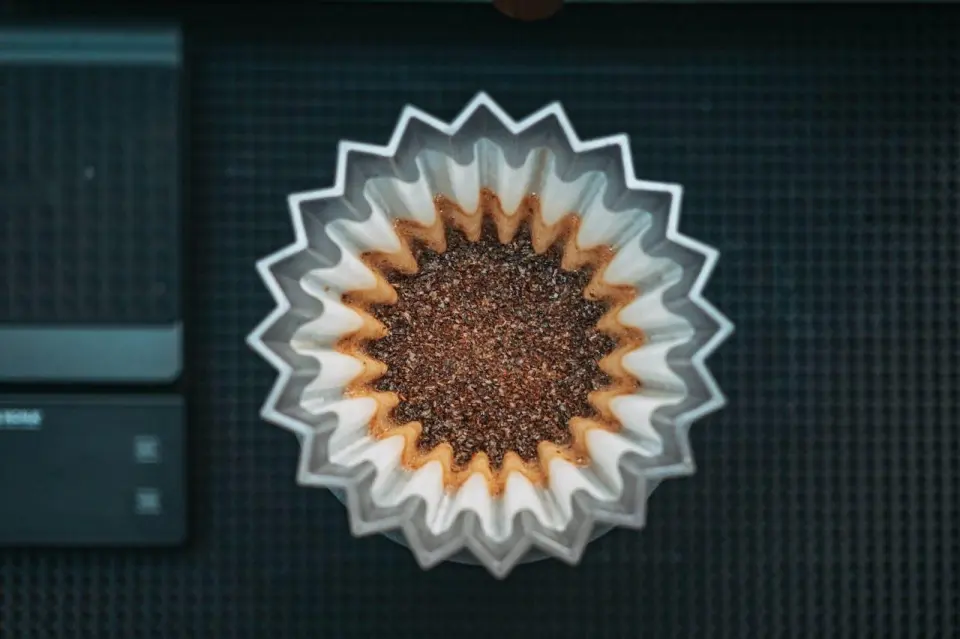
Modern papers vary in shape, fit and construction. A cone, flat-bottom brewer or wave-shaped filter creates a different complete setup, and the paper should match the equipment it was designed for. Filtration also affects the amount of fine material entering the cup, while the whole recipe influences extraction.
Choose a filter through practical testing rather than a historical hierarchy in which newer automatically means better. Compare cleanliness of the cup, brewing behaviour and the availability of replacements. Reusable cloth and other filters bring their own cleaning responsibilities. The interesting lesson is how a small design choice can make brewing more manageable, not that one material guarantees the best coffee for everybody.
The conversation
A good question can make a better brew.