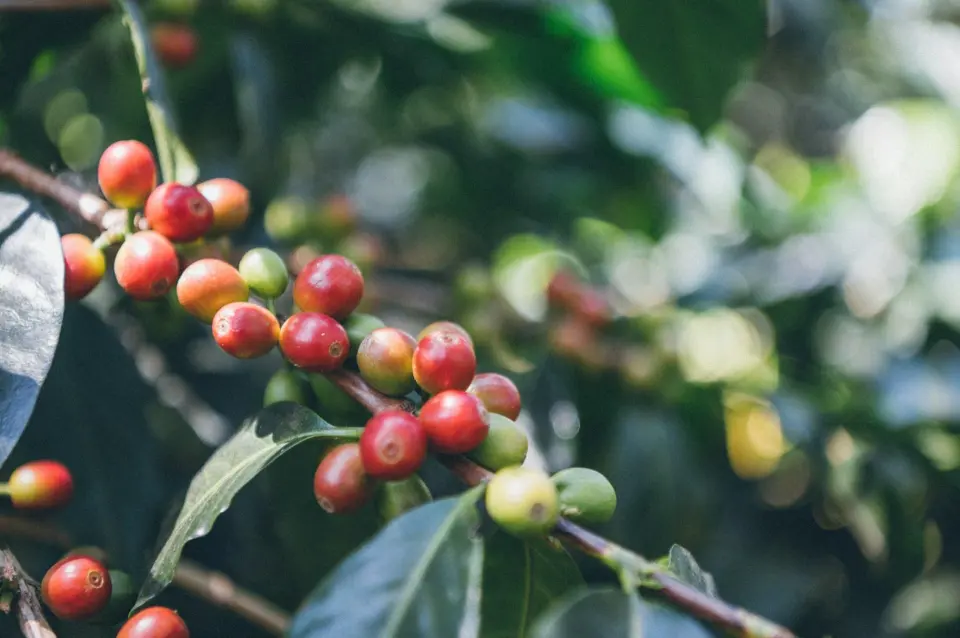
A blend does not have to seek a neutral middle ground. CoffeeBox's example combines washed coffee from Huila, Colombia with a raisin-honey coffee from Tarrazú, Costa Rica. The article presents blending as assigning complementary roles to acidity, texture, sweetness and finish, rather than merely combining leftovers or hiding component identities.
Those roles describe a particular design intention, not a universal national flavour formula. Processing, lot selection, roast development and proportions all affect the final cup. If percentages or component identities matter to the purchase, look for them in the current product description rather than inferring them from a general two-country blend name.
Start with the roaster's intended preparation and measure dose and water or espresso yield. Taste warm and cooler to see whether the components feel integrated. Milk and ice create further serving choices, but require their own balanced recipe rather than a rule that light blends must be drunk one way. This profile explains the source's approach without claiming independently tested blend performance.
The conversation
A good question can make a better brew.