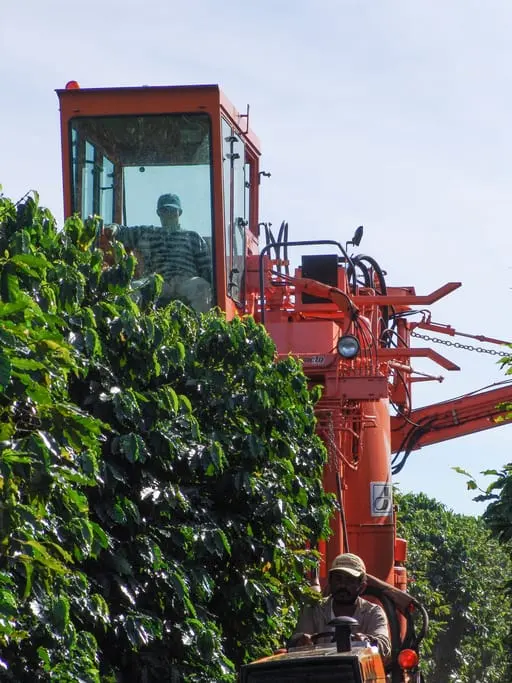
Brazilian coffee includes many producing regions, varieties and processing approaches. The source discusses names such as Cerrado, Sul de Minas and Mogiana, alongside varieties including Bourbon, Catuai and Mundo Novo. Nutty, chocolate-associated or softer-acidity profiles help explain why some Brazilian coffees appear in blends, but they do not describe the entire country or exclude distinctive single-origin lots.
Commercial labels also need interpretation. Santos is a market and shipping-associated name, rather than the name of one farm. A specific producer, processing method and lot description make an offering much more informative. Avoid treating national production statistics, old brand availability or a broad altitude description as current evidence about the particular bag in front of you.
For a blend, decide which characteristic you want a Brazilian component to contribute, then brew the blend in its intended method. For a single-origin purchase, compare two clearly identified regions or processing styles at the same ratio. Try the roaster’s suggested recipe before automatically choosing a very dark roast. Evaluate sweetness, texture and finish as the coffee cools. The useful question is how the actual lot performs in your routine, rather than whether a large coffee origin deserves one fixed ranking.
The conversation
A good question can make a better brew.