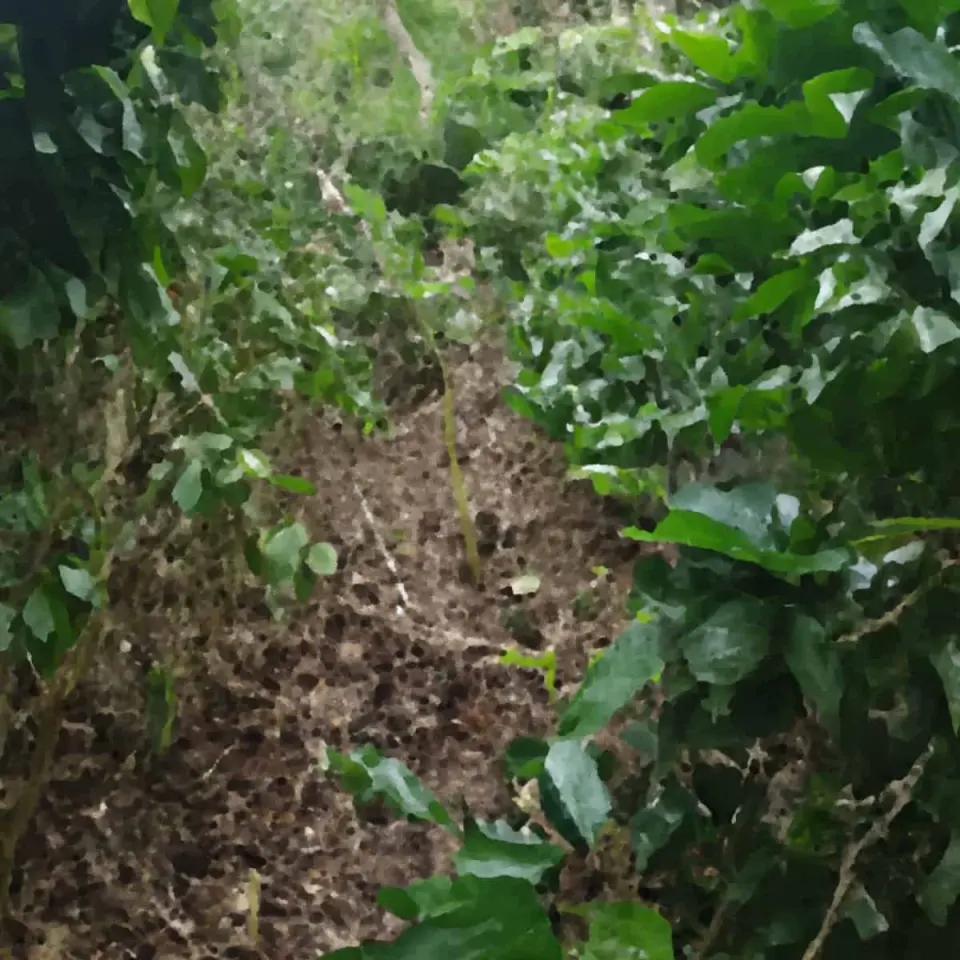
Bolivia is a landlocked South American coffee origin with important highland growing areas. The source highlights the Yungas and discusses Arabica varieties including Typica, Caturra and Catuai. Its general descriptions include a clean cup, delicate brightness, fruit-associated aromas and sweetness, but those are broad impressions rather than guaranteed notes from every Bolivian lot.
Traceability is especially useful when comparing a relatively limited selection of coffees. Ask which producer or cooperative supplied the lot, the growing area, processing method and any available harvest information. High-grown wording supplies context, but should not substitute for those details. Organic or Fair Trade labels also require evidence about the actual offering rather than an assumption based on the country.
Choose a clear roast description and brew with a measured starting recipe. Record sweetness and acidity separately from strength: a delicate coffee need not be brewed weakly. Compare it with another Bolivian lot, or a clearly identified neighboring origin, while keeping the method consistent. Avoid using old statements about export volumes or future trade growth as current purchasing advice. This keeps the focus on the coffee that is genuinely available, without inventing a new tasting assessment.
The conversation
A good question can make a better brew.