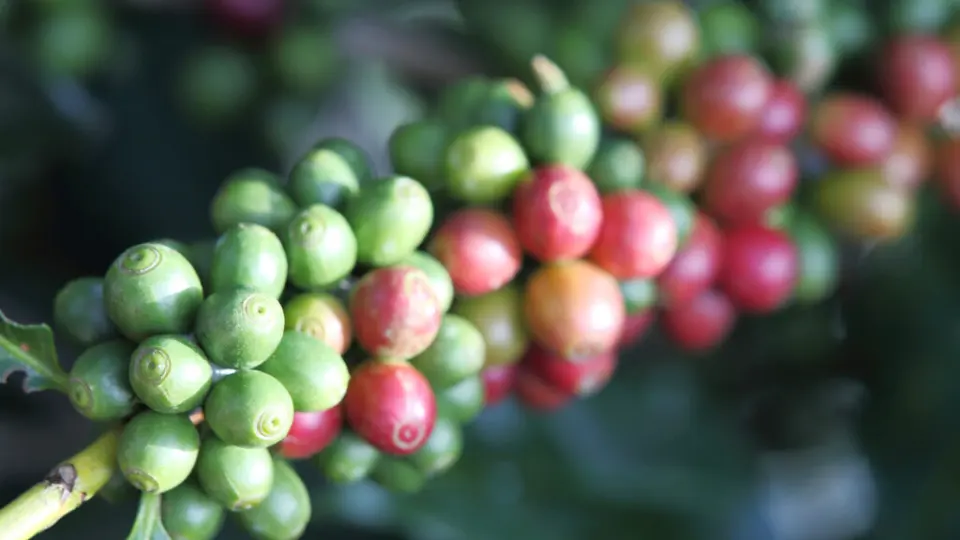
The coffee bean in a bag has passed through several stages before it reaches a grinder. It began as a seed inside a cherry, grew under particular environmental conditions, was harvested and processed, and then underwent roasting. Each step can contribute to the cup, so no single label term explains every result.
A practical reading order starts with what the coffee is: a blend or a named origin, and any species or variety information provided. Next consider how the fruit was processed, then how the roaster describes the roast and intended brewing use. Certifications can add information about specified production or trading practices, but they do not replace a flavor description or tell you that one brewing recipe will suit every bag.
This sequence also helps when troubleshooting a purchase. A different roast may need a grind adjustment; a new process may introduce a different flavor character; an opened bag may change as it ages. Make notes on the actual product and your recipe instead of deciding that a country, species or method is always good or bad. Small, deliberate comparisons produce a more useful buying history.
The conversation
A good question can make a better brew.