 Article
Brewing
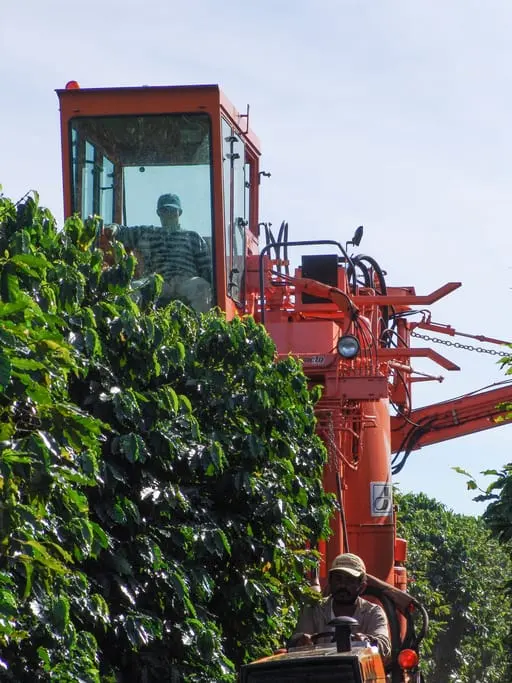
Harvesting coffee: separate picking method from final lot quality
Ripeness, sorting and the terrain all influence how a harvest is brought together.
Coffee knowledge · Reviews · Coffee beans · Coffee shops
Article
Ripeness, sorting and the terrain all influence how a harvest is brought together.
Understanding its layers clarifies why processing methods handle the same harvest differently.
A coffee crop develops through changing conditions, so general growth figures are only broad guides.
Decaf describes reduced caffeine, while origin, roast and preparation still shape the cup.
A soluble coffee product can be useful without being judged as if it followed the same preparation as whole beans.
Production standards and cup flavor are separate parts of the buying decision.
The right brewer depends on texture, quantity and the work you want to do each day.
Regional directories are a starting point for questions about the actual lot.
A smooth milk drink depends on a repeatable steaming routine and an appropriate product.
 Article
Milk, chocolate, cream and dilution turn one concentrated preparation into several different drinks.
Published dose and time figures need a basket, machine and intended drink for context.
A foamy surface can tell part of the story while leaving important flavor questions unanswered.
A comfortable, correctly sized tool is more useful than decorative weight or an unsupported performance claim.
A good starting routine links fresh coffee, basket preparation and a measured output.
An espresso label describes an intended use more reliably than a separate kind of coffee seed.
Understanding how the word is used prevents confusion when buying beans or ordering a drink.
The brewing method matters more than a particular origin or roast label.
Capsule compatibility and an actual product description make a stronger shortlist than inherited rankings.