Brewing
Jamaican coffee: distinguish the country from a named growing area
Blue Mountain, broader Jamaican origin claims and blended products need different questions.
Coffee knowledge · Reviews · Coffee beans · Coffee shops
Blue Mountain, broader Jamaican origin claims and blended products need different questions.
Origin and processing information make a softer-acidity description more useful.
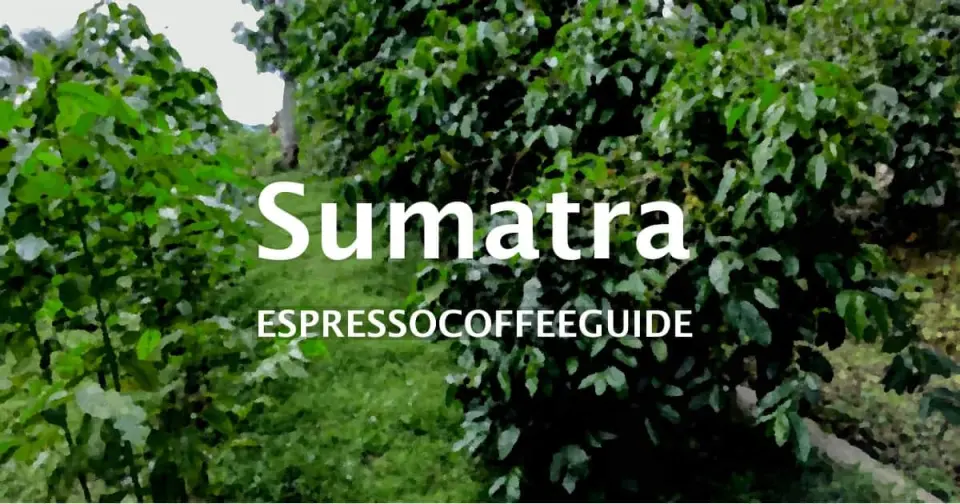
A familiar Sumatran profile becomes more informative when the particular lot is clearly described.
A Sumatran market name can guide a search while leaving producer and lot details essential.
 Article
Mandheling, Lintong and other origins offer a richer picture than a single earthy-coffee stereotype.
A rich regional reputation becomes more useful when the producer and preparation are clearly described.
 Article
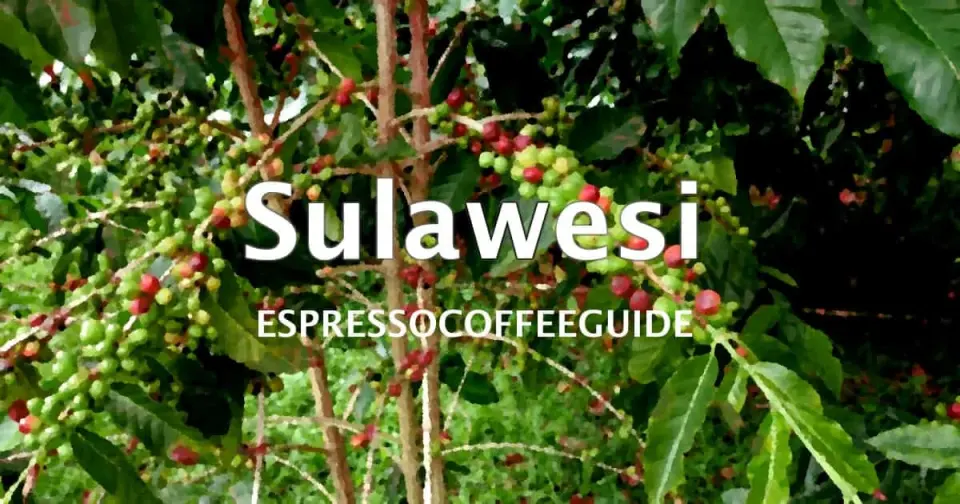
Toraja and Kalossi are useful names to investigate, while a specific producer and process give the clearest guidance.
Deliberate treatment of green coffee is different from keeping roasted beans on a shelf.
The word brown can describe a treated green coffee, not necessarily a very darkly roasted product.
A historical aged-coffee label does not replace origin, treatment and roast information.
The island, species and processing method each provide a different part of a useful coffee description.
Sumatra, Java and Sulawesi offer distinct contexts within a large coffee-producing country.
A familiar Indian market name does not identify one processing treatment.
Southern growing areas and special green-coffee treatments offer different paths through the category.
A blend containing Kona coffee is a different purchasing proposition from a clearly identified pure-origin product.
 Article
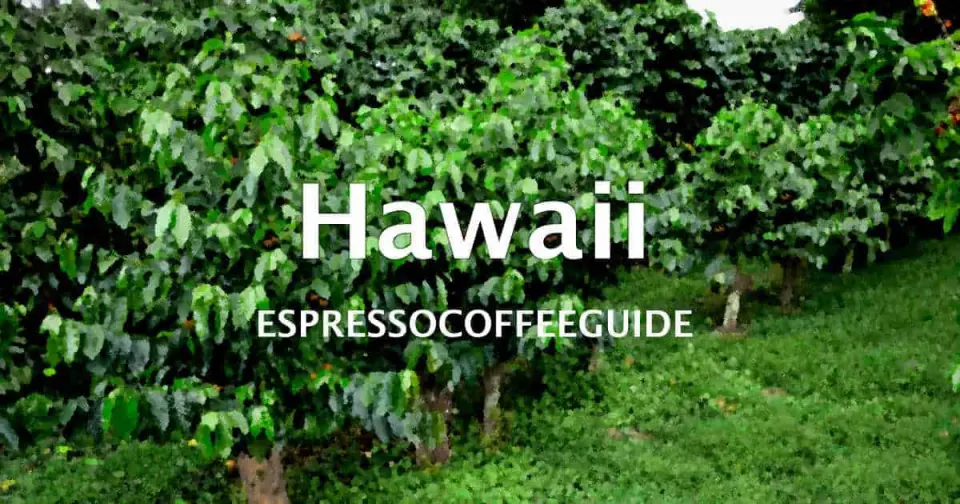
A specific growing area and a prestigious name deserve clear producer and product information.
Kona is one part of a wider island coffee landscape, with origin and blend details worth reading carefully.
 Article
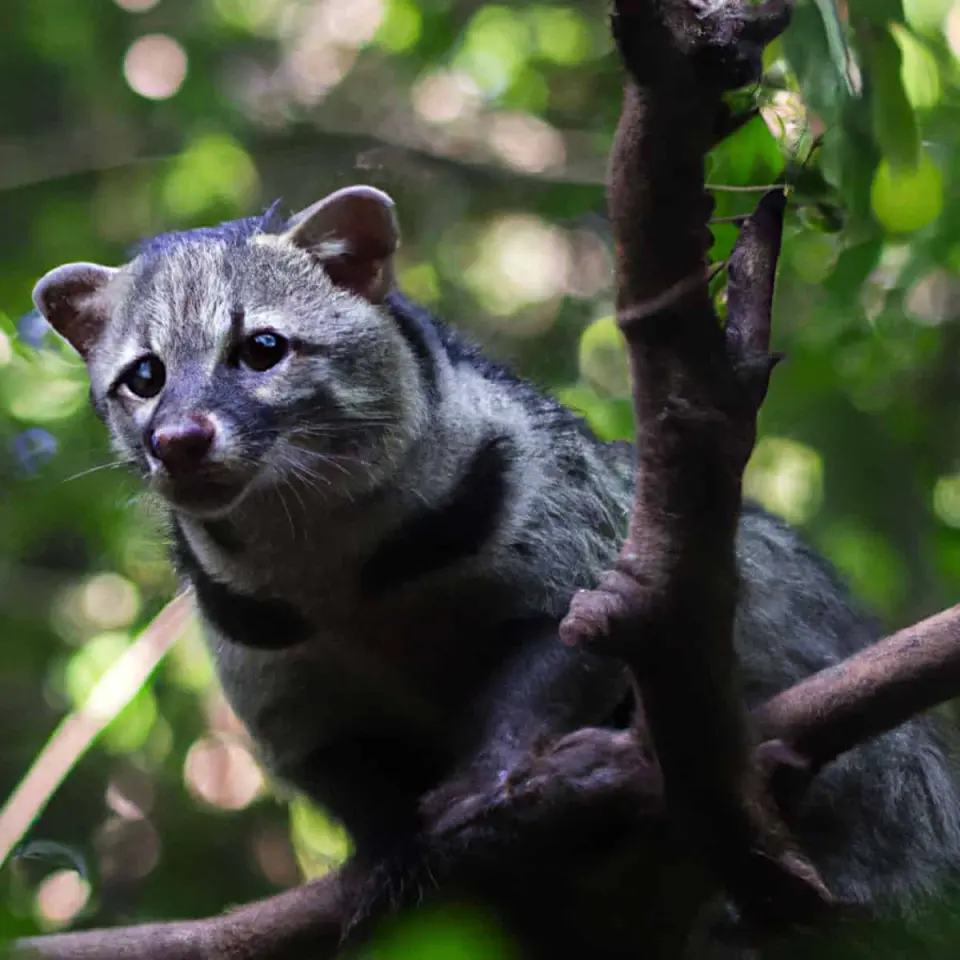
Kopi luwak, regional names and simulated products require different sourcing questions.