 Article
Brewing
Resident Eduardo Quispe SL-09: a flat-bottom recipe with a 1:16 ratio
The source uses a hotter brewing temperature to target a rounded, sweet Peruvian coffee.
Coffee knowledge · Reviews · Coffee beans · Coffee shops
Article
The source uses a hotter brewing temperature to target a rounded, sweet Peruvian coffee.
Article
A 20-to-340 recipe aims to separate fruit and floral impressions in a washed Peruvian lot.
 Article
The guide pairs a 1:16 brew with cherry and pear as intended supporting impressions.
 Article
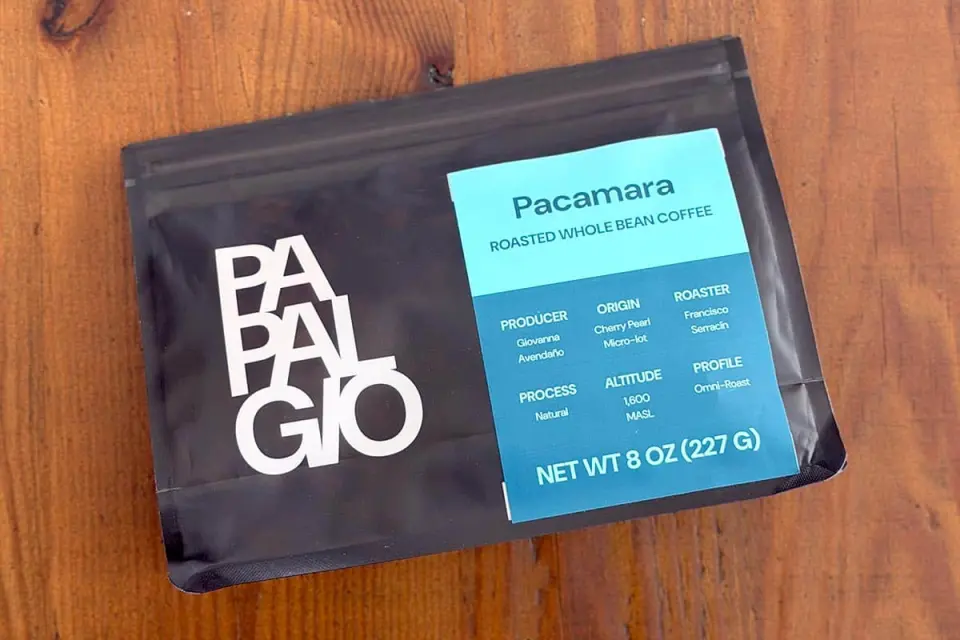
Three pours and a moderate temperature target clarity in a mango-and-passion-fruit-processed coffee.
 Article
A Panamanian natural recipe aims to preserve fruit detail and a rounded texture.
 Article
The listed dose and pouring steps disagree, so the source cannot supply a fully verified 350-milliliter recipe.
 Article
Fifteen grams and 240 milliliters form a straightforward starting point for the washed Bourbon lot.
Article
A large bloom and restrained center pour keep this source method simple.
Article
The guide preserves a four-pour sequence for a washed Nyeri selection.
Article
A medium grind and 95°C water define the source’s starting approach.
Article
Small center pours follow a short bloom in this washed Honduran Pacas recipe.
Article
Circular and center pours divide a 270-milliliter brew over fifteen grams of coffee.
 Article
The valve changes separate an initial draining pour from a longer immersion phase.
 Article
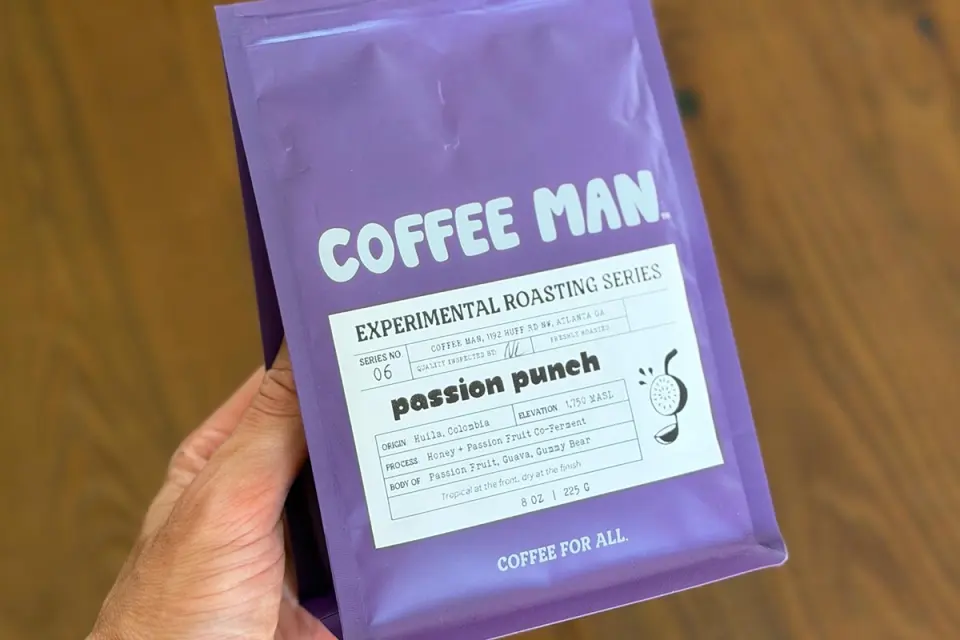
A 280-milliliter method changes from circular pouring to a center-focused finish.
 Article
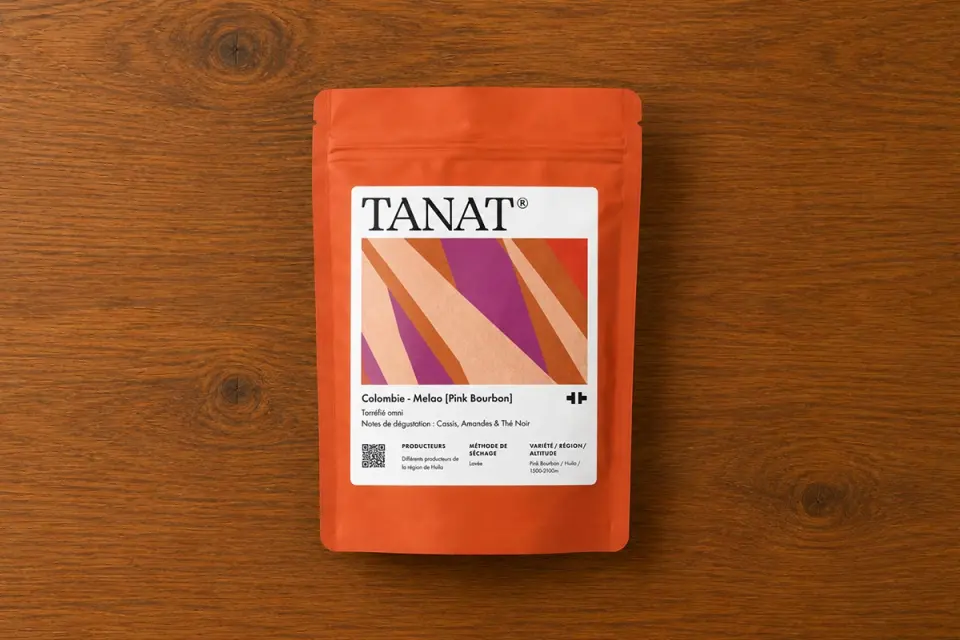
Thirteen grams and 200 milliliters make the source sequence easy to measure.
 Article
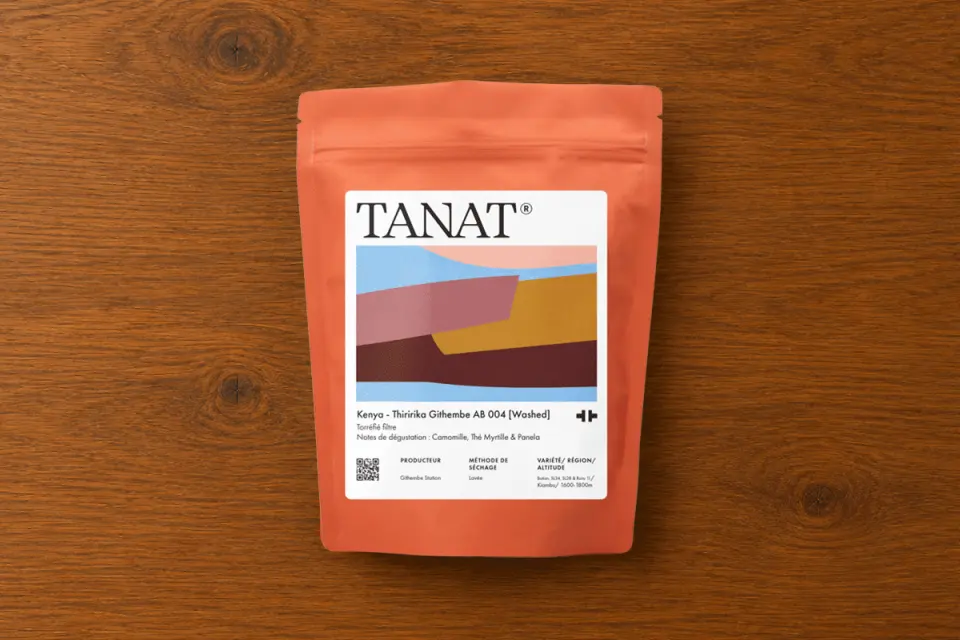
The source’s repeated cumulative number is an arithmetic error; its four additions still total 200 grams.
 Article
A three-pour recipe uses 13 grams of coffee and a 200-milliliter water budget.
 Article
The source combines a small dose with a long gap before the final pour.