 Article
Brewing
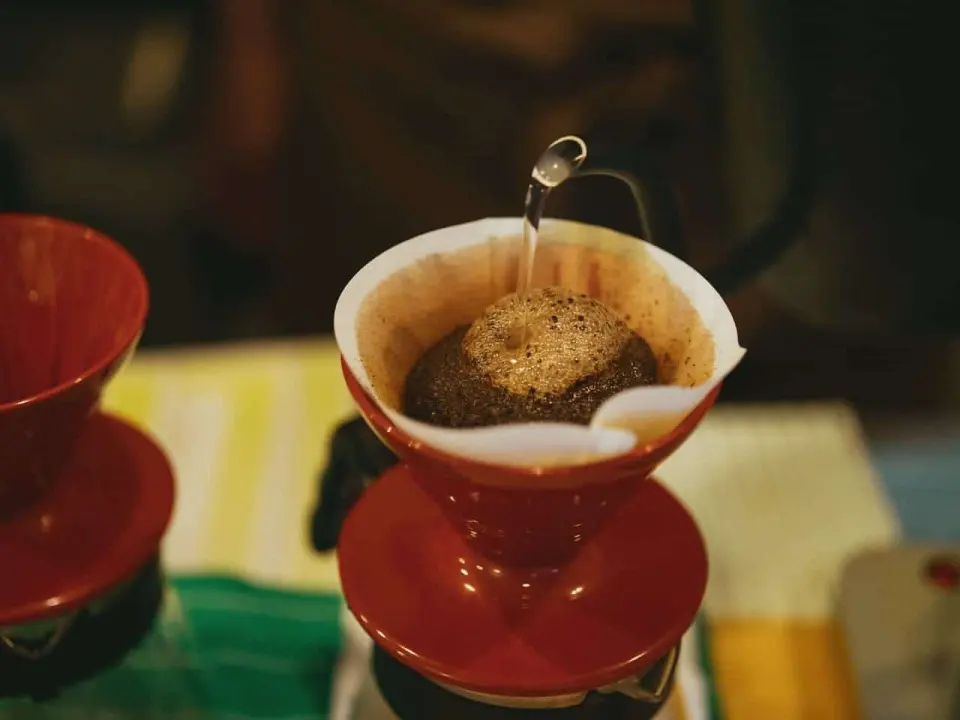
Dripper Materials: Compare Handling and Thermal Behaviour
Ceramic, resin, metal and glass change weight, durability and heat handling; material alone does not promise a particular flavour.
Coffee knowledge · Reviews · Coffee beans · Coffee shops
Article
Ceramic, resin, metal and glass change weight, durability and heat handling; material alone does not promise a particular flavour.
 Article
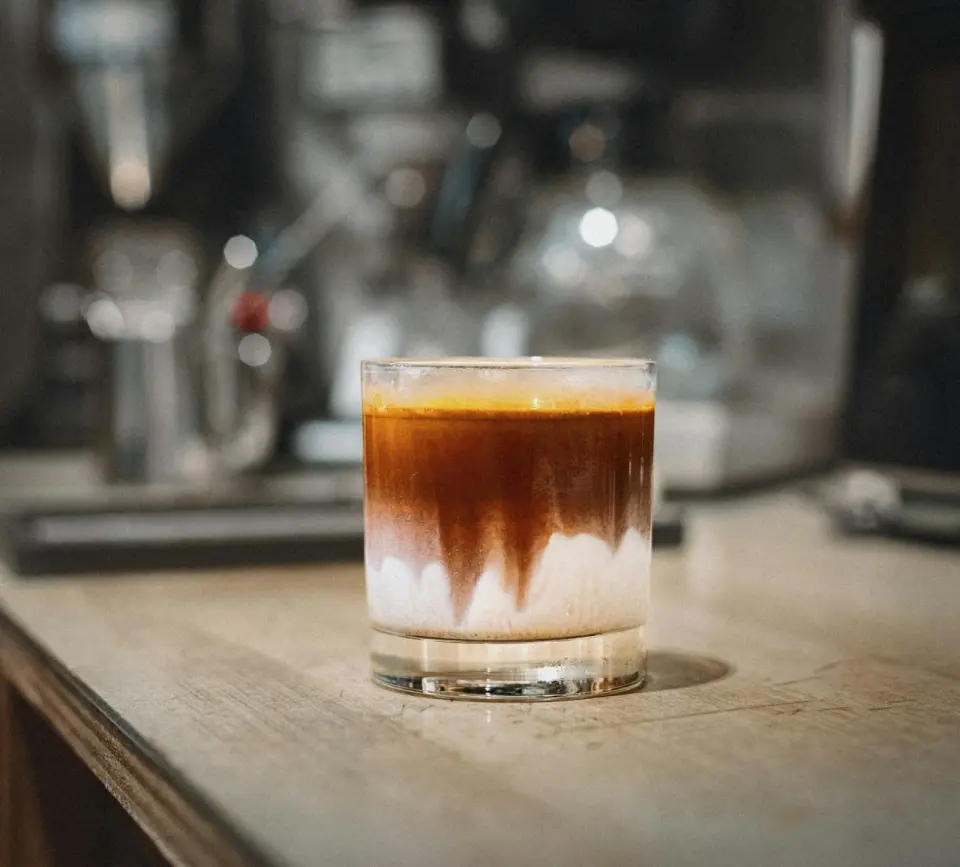
Both start with espresso, while cup size and milk texture determine how their balance differs at a particular café.
 Article
CoffeeBox's reflection places strong black coffee in everyday Taiwanese settings, while its cultural interpretation should remain distinct from a documented universal tr…
 Article
An immersion recipe and a gentle separation routine help make the textured French press cup more consistent.
 Article
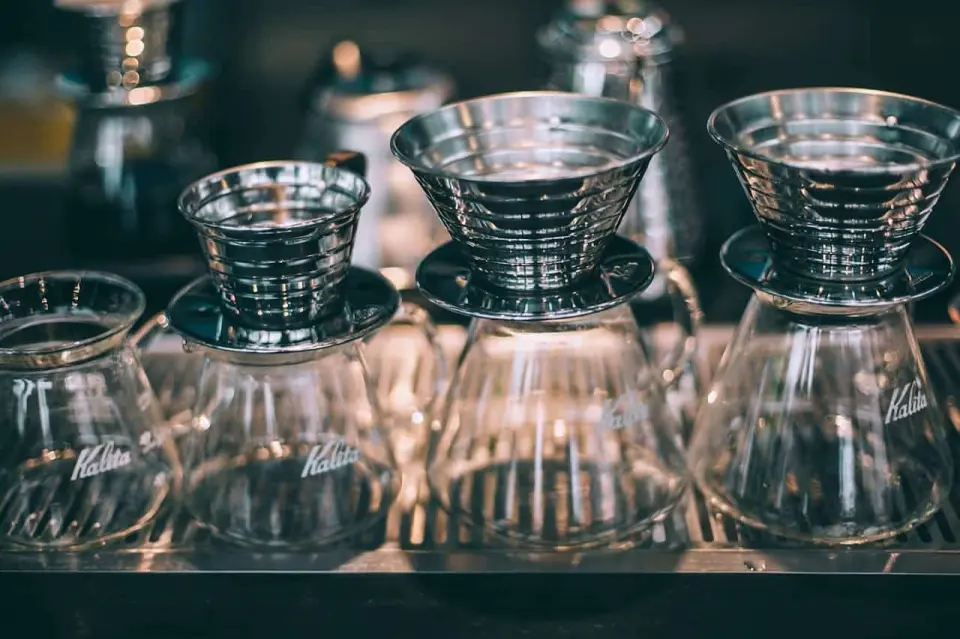
Basket shape changes the coffee bed, but no geometry guarantees one flavour or makes every recipe equally forgiving.
 Article
Voltage Coffee's Wave recipe uses 23.5 grams of coffee, a 50-gram bloom and staged pours to reach 400 grams of brewing water.
 Article
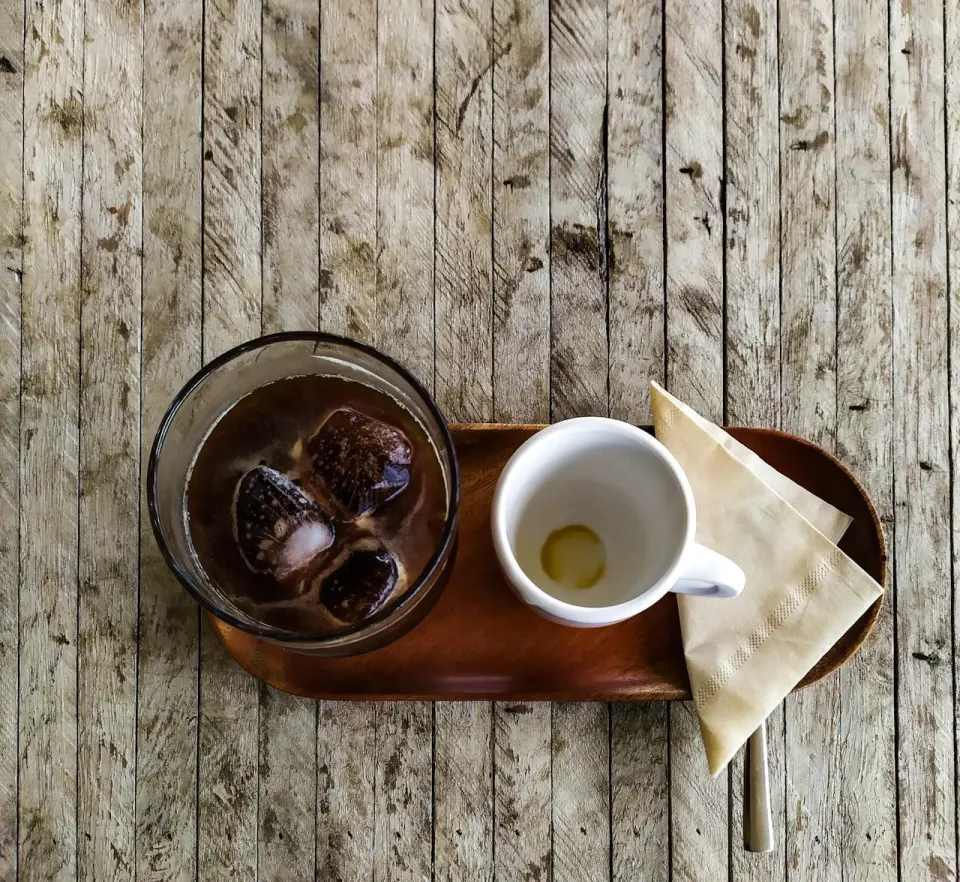
Immersion holds coffee in water; ice drip moves water through a bed slowly, requiring a different setup and recipe record.
 Article
Typical coffee servings often contain more caffeine than tea, but the product, preparation and portion determine the amount.
 Article
TDS measures concentration in the beverage, while extraction yield relates recovered coffee solids to the dry dose.
 Article
A shared preparation and clear descriptive notes help distinguish sensory observations from judgments of preference.
 Article
A tasting descriptor is a sensory comparison, not proof that a flower or fruit was added or that one molecule explains the whole cup.
 Article
Perceived brightness, pH and total acidity describe related but different aspects of a coffee.
 Article
Cold brew, a darker roast or paper filtration cannot guarantee symptom relief; persistent symptoms deserve an individual medical assessment.
 Article
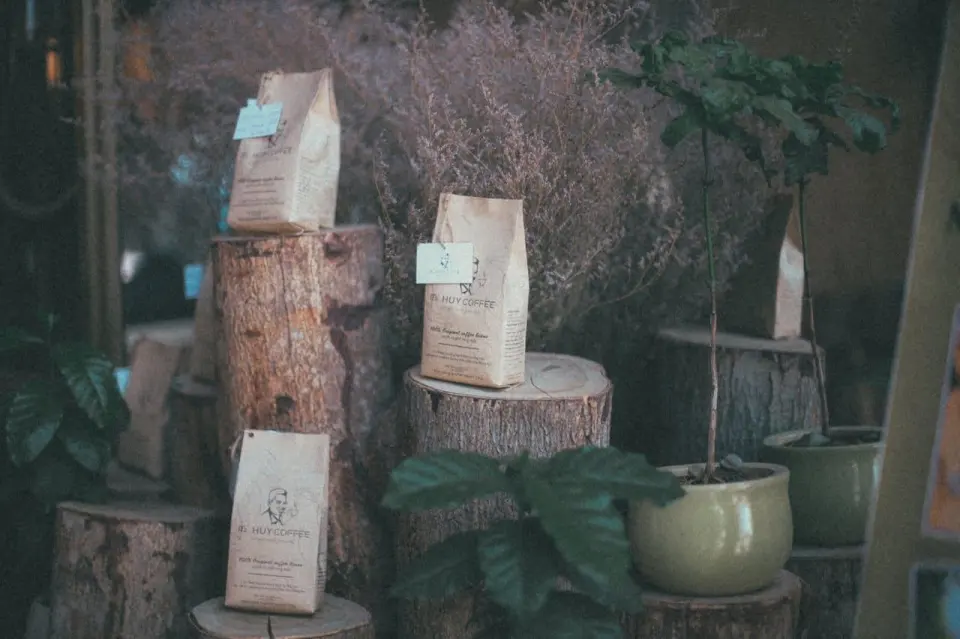
A retail-coffee tasting offers useful questions, but one sample cannot establish that single origins always outperform blends.
 Article
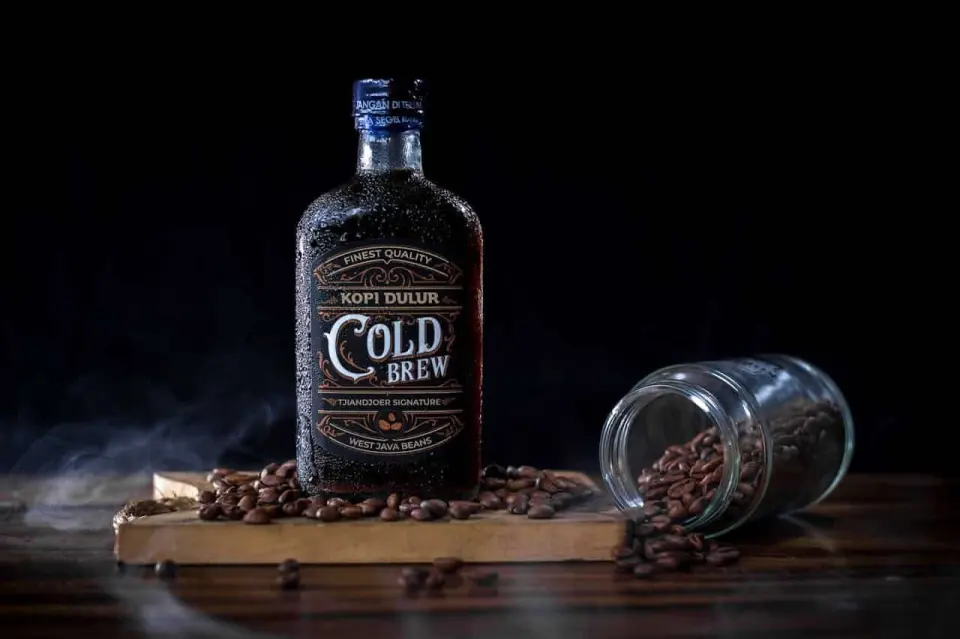
Cold brew, flash-chilled and nitrogenated describe different production choices, not an automatic quality ranking.
 Article
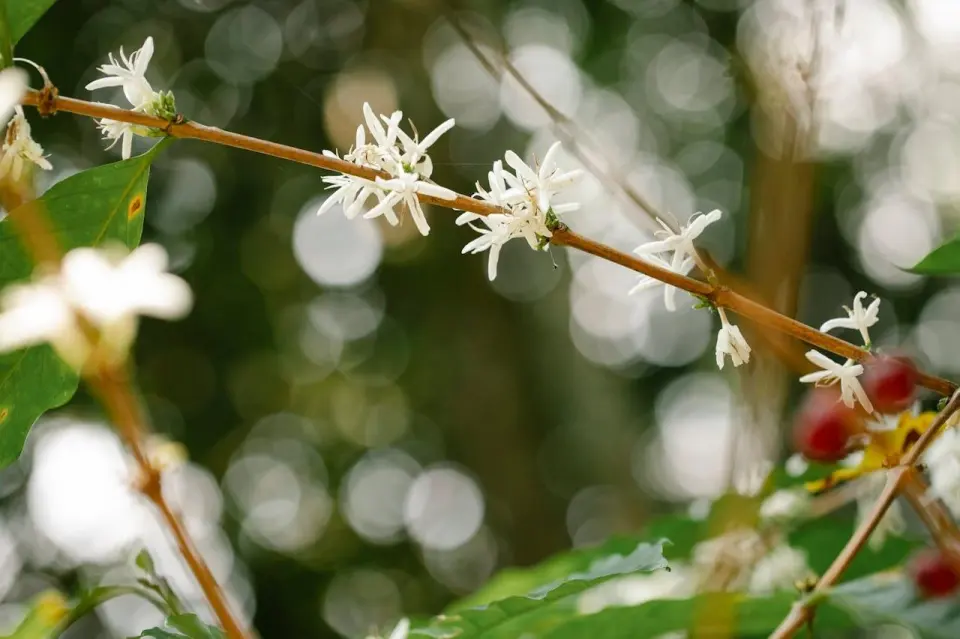
Organic standards concern production and handling requirements; they do not automatically prove a health benefit or the absence of every residue.
 Article
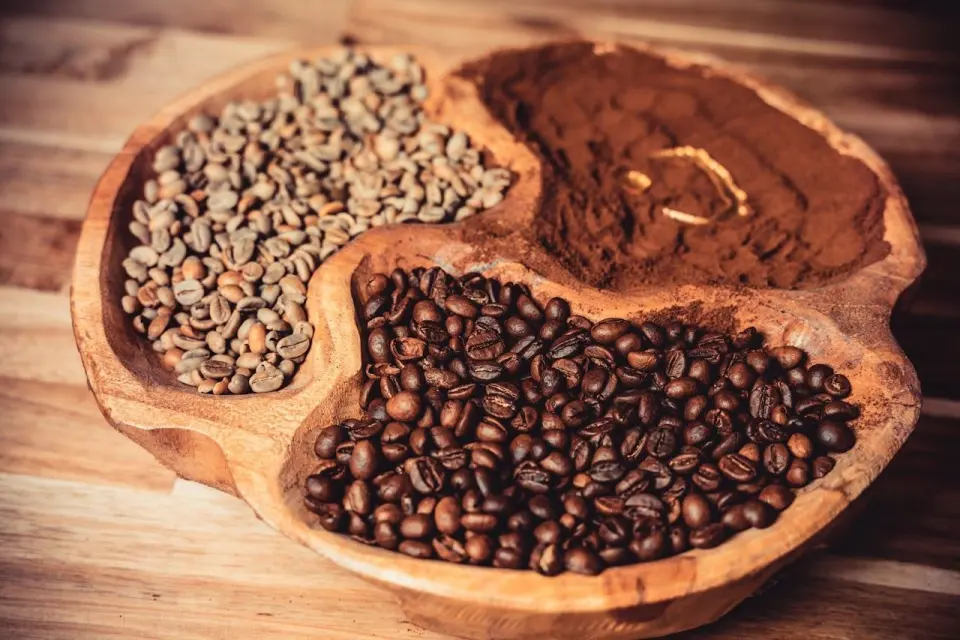
The name links a blending tradition to Yemen and Java, while today's ingredients may follow a broader sensory interpretation.
 Article
A Kona reference needs a stated coffee percentage and traceable origin; a high regional price does not establish cup quality by itself.