 Article
Brewing
Green coffee: distinguish an unroasted bean from an extract
Buying raw coffee for roasting is a different decision from evaluating a marketed supplement.
Coffee knowledge · Reviews · Coffee beans · Coffee shops
Article
Buying raw coffee for roasting is a different decision from evaluating a marketed supplement.
 Article
Espresso, milk and chocolate form a flexible recipe without requiring a special bean origin.
 Article
Cup size and milk texture matter more than memorizing a rigid three-part diagram.
 Article
Adding a double espresso to brewed coffee changes both strength and the recipe you need to record.
 Article
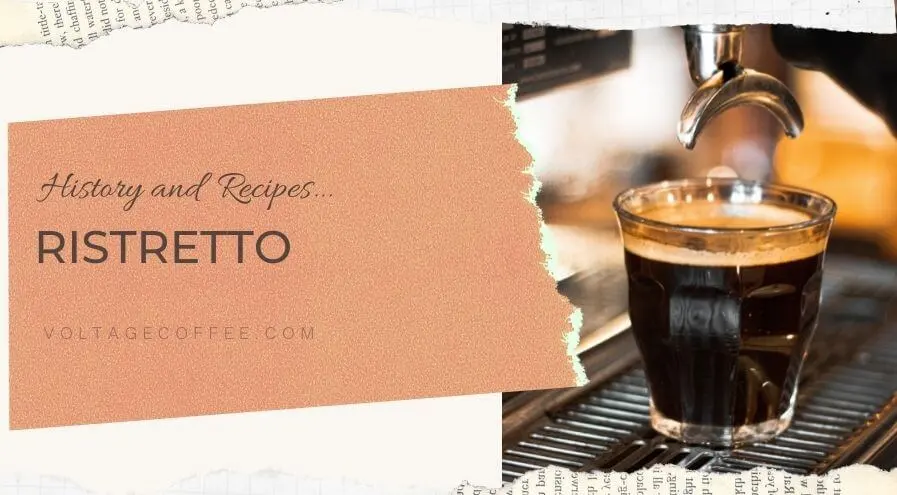
Treat the shorter shot as its own espresso recipe, then evaluate it in the cup.
 Article
A small sweetened coffee can be prepared without putting sugar into equipment designed for coffee alone.
 Article
A decaf coffee base and regular espresso still make a mixed-caffeine drink.
 Article
Fine milk texture and coffee-to-milk balance distinguish the drink more reliably than origin stories.
 Article
Spiced tea, coffee and milk need separate preparation decisions.
 Article
The machine, capsule format and drink sizes form a single purchasing decision.
 Article
A roughly equal-parts starting point can be useful without making one bean style compulsory.
 Article
Decaffeinated beans, ground coffee and instant coffee require different preparation methods.
 Article
The simplest coffee-and-espresso combination is easier to evaluate when both quantities are measured.
 Article
A name is less useful than knowing the amount of espresso, brewed coffee and ice in the cup.
 Article
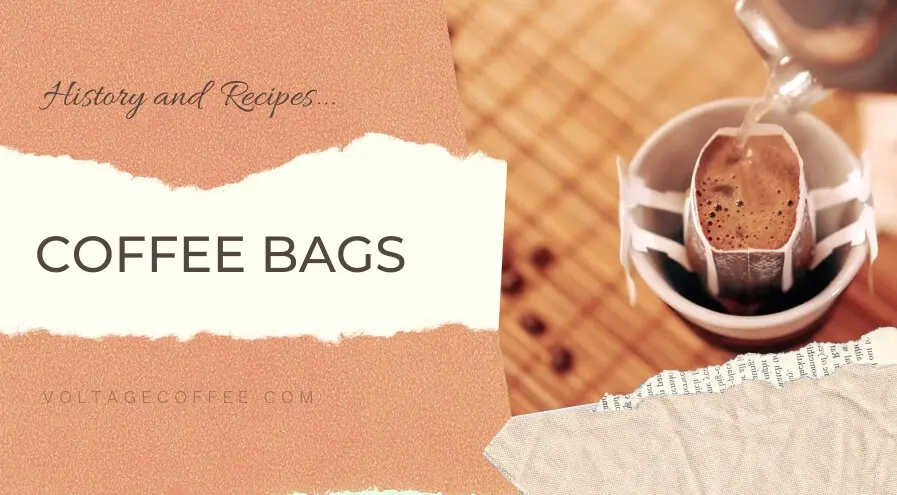
A portable hanging filter can make a useful single cup when water delivery stays within its capacity.
 Article
A larger espresso order should specify its actual dose and recipe.
 Article
Treat the drink as a rich coffee recipe and record what goes into it.
 Article
Measure the espresso and milk before deciding whether a different bean or machine is needed.