 Article
Brewing
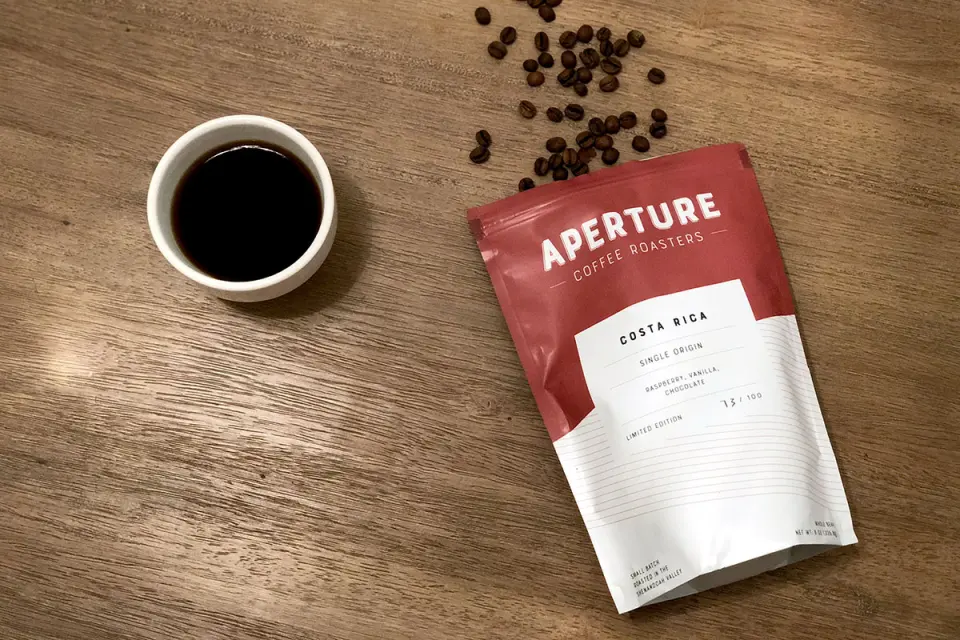
Aperture Costa Rica: a natural coffee with quieter fruit detail
The source found raspberry gradually, rather than an immediately overwhelming fruit profile.
Coffee knowledge · Reviews · Coffee beans · Coffee shops
Article
The source found raspberry gradually, rather than an immediately overwhelming fruit profile.
 Article
The source contrasts strong lemon-like flavor with a more restrained fragrance.
 Article
The Ethiopian sample was described as bright, creamy and adaptable across preparations.
 Article
The source gift list spans measurement, brewing, learning and recurring coffee deliveries.
 Article
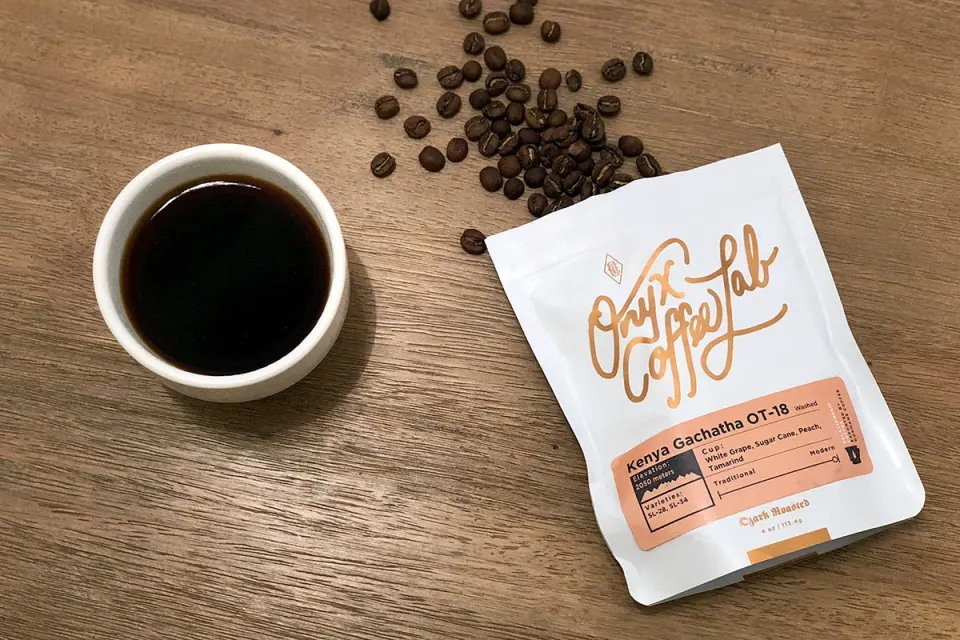
The Kenyan coffee’s source review emphasizes a changing sequence rather than brightness alone.
 Article
The source notes a consistent identity across several brewing methods.
 Article
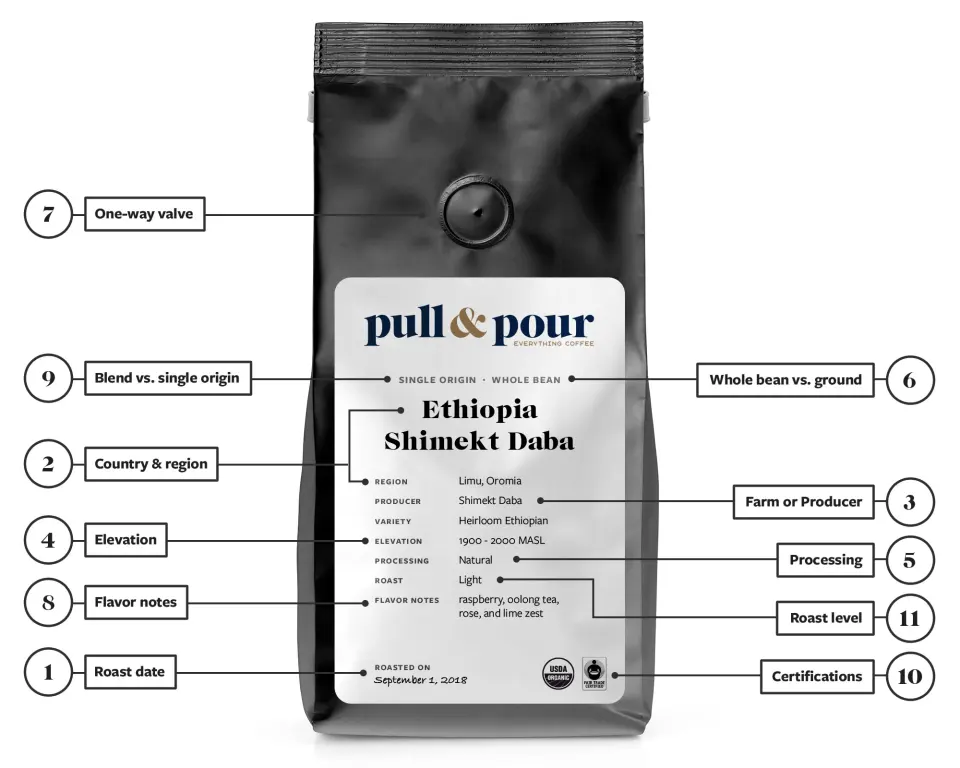
A source’s ten-part review framework can guide observation without becoming an official score.
 Article
A source review emphasizes citrus fragrance and lingering acidity rather than maximum fruit intensity.
 Article
The source weighs pantry storage against cold-storage concerns and packaging choices.
 Article
The archived review supports the company’s aims while questioning this particular cup.
 Article
The source found the Guatemalan coffee useful in both pour-over and espresso.
 Article
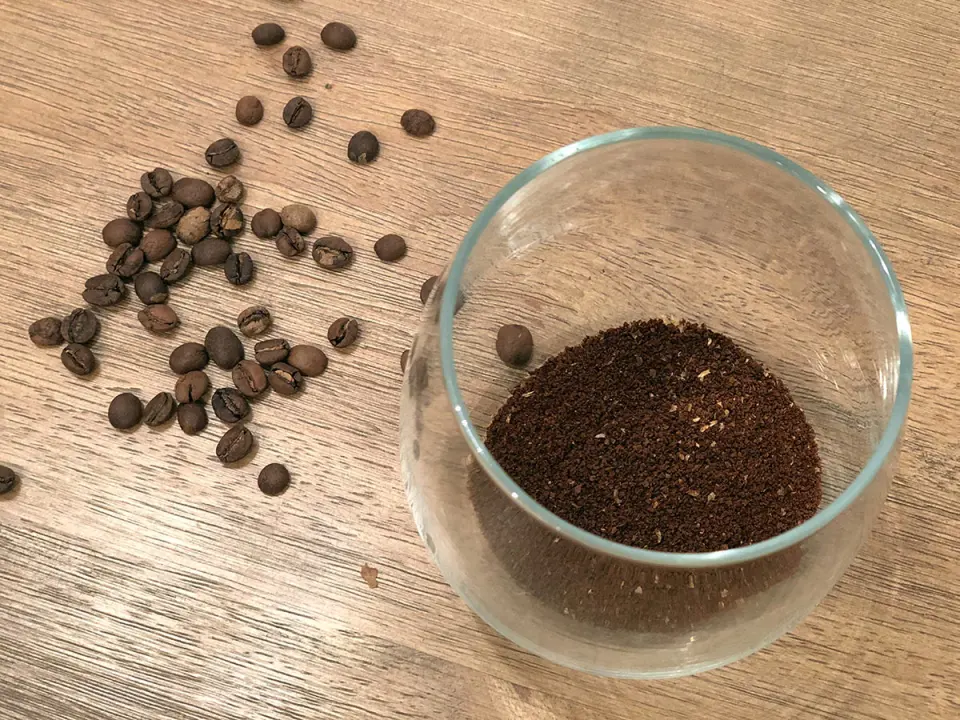
An archived tasting describes a clean cup while questioning fruit intensity and body.
 Article
The source recipe chills a hot Chemex extraction over a measured ice portion.
 Article
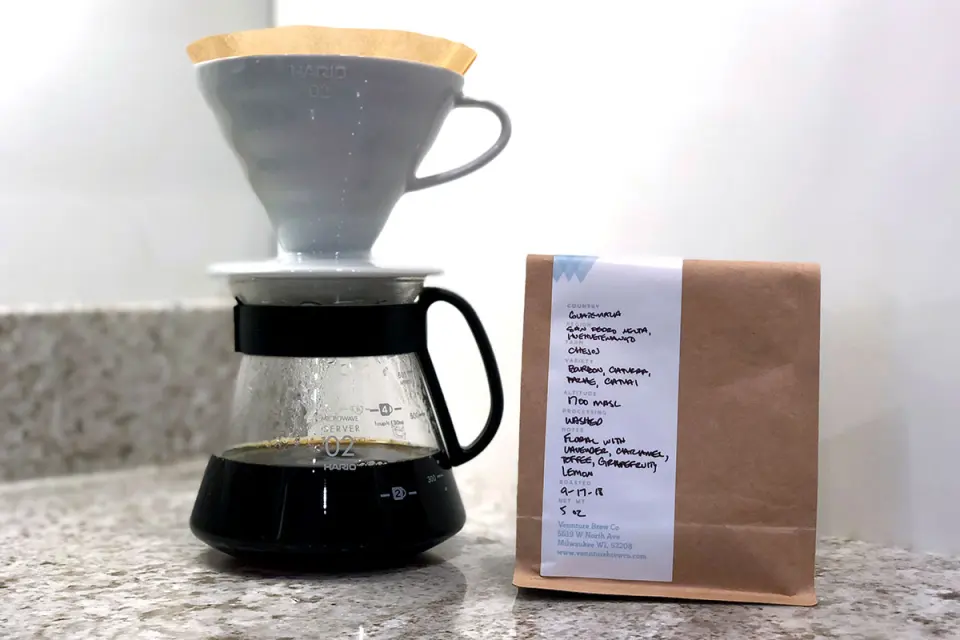
The source associates the Guatemalan coffee with tea, brown sugar and molasses.
 Article
The source makes a concentrated brew; its strength does not make it machine espresso.
 Article
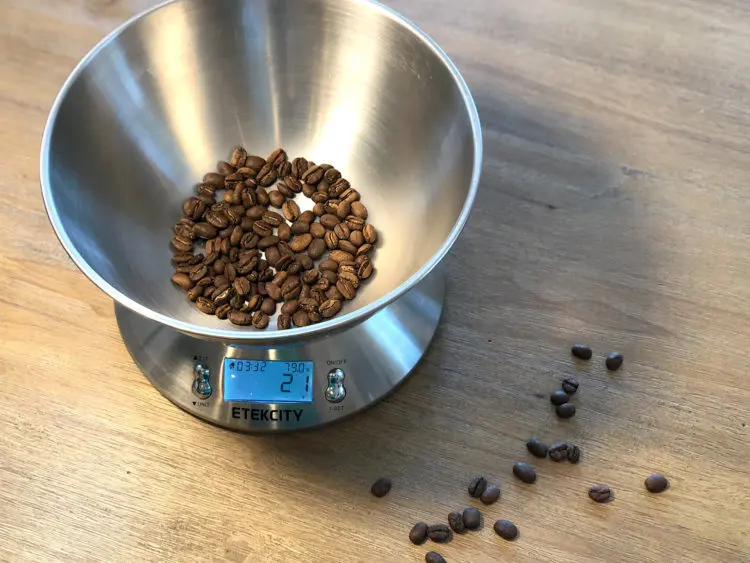
Coffee dose and total water provide a clearer guide than a grinder dial number.
 Article
Freshness, grinding, water and measurement work together rather than replace one another.
 Article
Traceability, roast details and processing help narrow a choice without predicting every flavor.